Stepping into a colonial-era home, the hearth inevitably draws the eye. It's the beating heart of the structure, where meals were cooked, families gathered, and stories unfolded. Yet, how often do we truly consider the massive stone and brick structures that rise above them—the chimneys themselves? In the Mid-Atlantic region, specifically between 1700 and 1770, these weren't merely functional vents. They were sophisticated architectural statements, blending old-world traditions with new-world realities, and frankly, revealing more about the colonists' priorities than most guidebooks ever bother to explain.
My journeys through historic sites, from the bustling streets of Annapolis to the quieter corners of rural Pennsylvania, have consistently shown me that the true narrative of these structures lies not just in their aesthetic appeal, but in the ingenious ways builders tackled practical challenges. They were experimenting, often improvising, and always pushing the boundaries of what was possible with the materials at hand. Forget the romanticized notions of perfect symmetry; dig deeper, and you'll find a story of necessity, social climbing, and a surprising amount of engineering prowess.
What a Colonial Chimney Tells Us About Its Owners
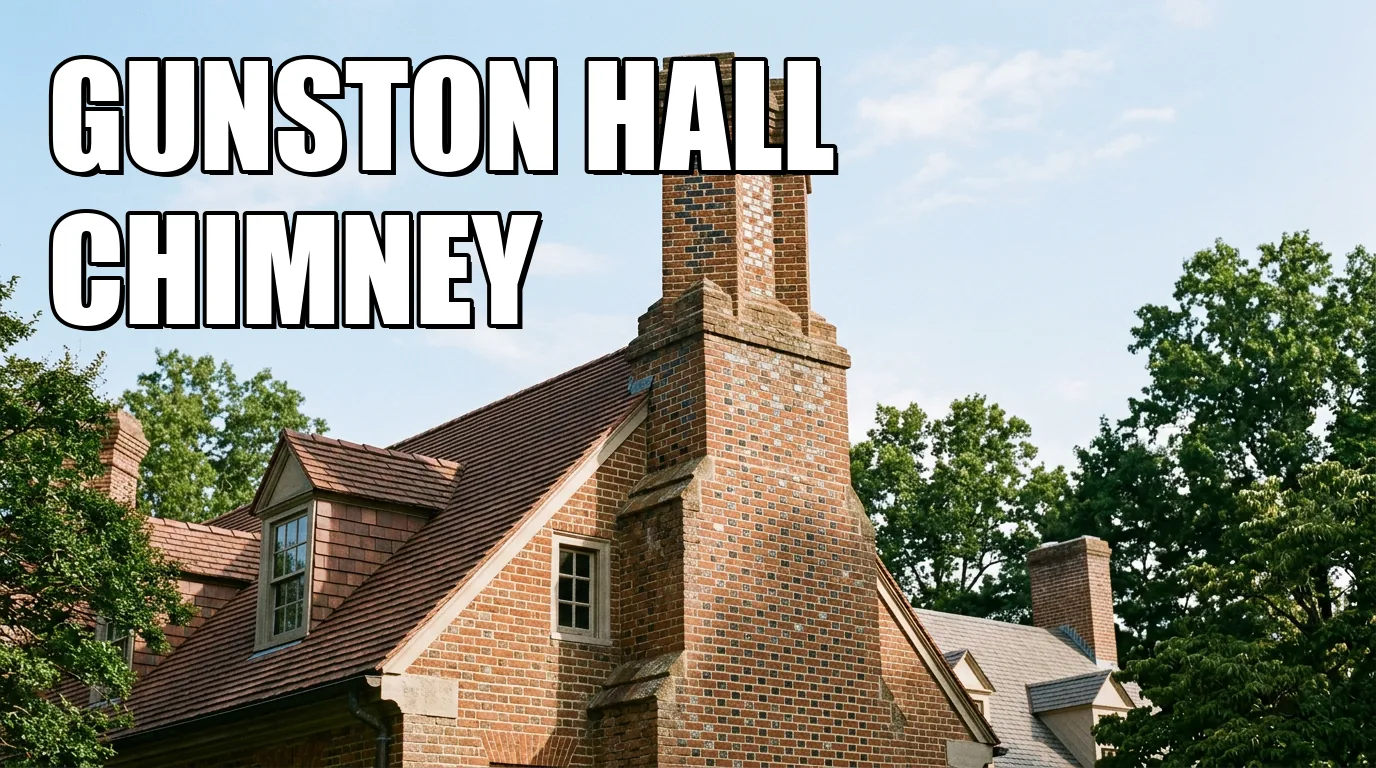
The chimney stack wasn't just a conduit for smoke; it was a billboard of wealth and taste. For those of us who appreciate the nuanced language of historical architecture, observing the materials and construction techniques of an 18th-century Mid-Atlantic chimney offers a surprisingly detailed biography of its original inhabitants. Was the brickwork meticulously laid in Flemish bond—alternating long and short brick faces, often with darkened headers to create a striking checkerboard pattern? That speaks volumes about the original owner's aspirations and budget, signifying a commitment to the most fashionable, and costly, building methods of the era.
Consider the bricks themselves: in Virginia, particularly, builders developed distinctive visual effects by strategically placing different colored bricks. Imagine the early colonial builders carefully positioning saplings in kilns during firing to create blue-gray glazes on headers when oak was the fuel source. Later, as oak forests dwindled by mid-century and pine became the substitute, they learned to lay those black-glazed headers *facing inward*, preserving a uniform exterior appearance. This isn't just a historical curiosity; it’s an early example of material science and aesthetic adaptation, a testament to builders learning to manipulate their resources to maintain a desired look. It forces you to question: what else were they doing behind the scenes, hidden from plain view, to achieve their grand designs?
The Surprising Practicalities of an 18-Inch Wall
You might glance at a colonial chimney and appreciate its sheer size, but have you considered the structural integrity demanded? These were not flimsy constructions. Foundation walls often stretched a robust 18 inches thick, a standard dimension for brick walls across places like Williamsburg. The chimney walls themselves typically consisted of multiple wythes—vertical layers of brick—ranging from 4 to 8 inches each. When you stand next to, say, the Brice House in Annapolis, the immense scale of its end chimneys, described as "so wide on their sides, so thin and so daringly high above the ridge," doesn't just impress; it prompts a deeper appreciation for the meticulous planning required to erect such a monumental feature.
Yet, these substantial dimensions weren't solely for show. They served a critical safety function, mitigating the ever-present risk of chimney fires. What often goes unmentioned in typical tours is the sheer volume of material and labor involved in moving and laying literally hundreds of thousands of bricks for a single grand residence, like the 326,000 bricks required for the James Brice House. This context transforms a simple structural fact into a vivid illustration of colonial economic realities and the physical toll of construction.
Beyond the Roaring Fire: Hearth Size and Social Hierarchy
What did a colonial fireplace *really* look like? The answer, as I've found, depends entirely on where you stood in the house and, more subtly, in society. Step into a large keeping room or kitchen, and you’ll encounter cavernous hearths, often 5 to 10 feet wide, designed to accommodate an arsenal of iron cooking apparatus—spits, pots, and all the extensive equipment colonial life demanded. These weren't just for cooking; they were often the primary light source and gathering space, large enough that benches could be positioned *within* the hearth itself. Imagine the warmth, the flickering light, the sheer communal aspect of such a space, making it far more than a simple culinary zone.
Ascend to the upper-story bedrooms or step into a formal parlor, and the story shifts dramatically. Here, fireplaces are noticeably more modest: perhaps 26 to 35 inches high with widths of 30 to 42 inches. These were designed primarily for heating, not feasting. It’s a clear architectural demarcation of function and social standing. What’s truly fascinating is the evidence suggesting these grand, early fireplaces were often "reduced in size sometime after initial construction, probably during the third quarter of the eighteenth century." This wasn't just aesthetic whim; it was a pragmatic response to increasing wood scarcity. The need for efficiency literally reshaped the heart of colonial homes long before the formal innovations of the Rumford fireplace movement. It's a subtle but powerful reminder that resources, or the lack thereof, always dictate design.
Unseen Engineering: The Secrets of the Flue
The journey of smoke from hearth to sky was a complex one, and early colonial builders employed sophisticated, if empirical, methods to ensure a proper draw. Flue sizing, for instance, followed established rules of thumb: the cross-sectional area of the flue should ideally be one-eighth to one-tenth of the fireplace opening area for optimal draft. This wasn't guesswork; it was accumulated wisdom, hard-won experience passed down through generations of masons.
Perhaps the most overlooked element, invisible to the casual observer, is the smoke chamber. This transitional space, between the fireplace throat and the vertical flue, was critical for funneling smoke efficiently. Builders would construct the back wall vertically, while the side walls sloped uniformly inward to support the flue lining. These chambers were meticulously parged—coated with mortar or lime-based mixtures—to create a smooth, sealed surface, minimizing friction and preventing smoke leakage into the surrounding masonry. Unlike later periods, colonial chimneys before the 19th century rarely used manufactured clay flue liners. Instead, they relied on this hand-applied lime-mortar parging, a technique that preservation masons still replicate today, a quiet nod to the meticulous, unseen craftsmanship of the past.
Annapolis's Grand Statements: Beyond Expectation
When you visit Annapolis today, the sheer density of high-style Georgian architecture is striking. The chimneys of its most prominent residences—the James Brice House, Hammond-Harwood House, Chase-Lloyd House, and William Paca House—aren't just period-accurate; they offer a masterclass in colonial one-upmanship. The James Brice House (1767-1774), for example, features massive central roof chimneys whose "dramatically narrow profile" seemingly exceeds any functional requirement. This isn't a design flaw; it's a deliberate visual flourish, a bold declaration of status. You're not just looking at a chimney; you're looking at a carefully calculated assertion of wealth and architectural ambition.
Nearby, the Hammond-Harwood House (1774) and Chase-Lloyd House (1769-1774), both with interiors designed by the renowned William Buckland, employed sophisticated brick bonds. The Hammond-Harwood, for instance, used all-header bond on its front façade with Flemish bond on the ends. This subtle variation, often missed by the casual visitor, reveals an understanding that the most visible elevation demanded a more intricate, visually striking pattern. It's a detail that challenges the notion of colonial architecture as purely utilitarian; these builders and owners were acutely aware of aesthetics and how they projected influence. If you tour these homes, take a moment to really examine the brickwork, particularly where the sunlight hits it just right—the subtle differences are often more revealing than any grand pronouncement.
Pennsylvania's Practicality Meets Palatial Grandeur
Just a short drive from Annapolis, Philadelphia's colonial landscape offers its own distinctive chimney narrative. Mount Pleasant (1761-1762), built by privateer John Macpherson, stands as a prime example of refined brick Georgian grandeur. John Adams, visiting in 1775, famously called it "the most elegant seat in Pennsylvania." Its two large, prominently positioned chimneys aren't merely decorative; they are integral to the Georgian double-pile plan, a sophisticated spatial arrangement that allowed for interior corner fireplaces in adjacent rooms, all served by shared chimney masses. This required incredible precision in masonry coordination, a detail that often gets lost in the admiration of the house's overall symmetry.
What Mount Pleasant doesn't immediately reveal is the broader regional influence that shaped Pennsylvania's approach to hearths. Unlike New England's tendency toward central chimneys that heated multiple rooms from a single spine, the Mid-Atlantic, especially the Delaware Valley, generally preferred end chimneys or exterior positions. This wasn't just an aesthetic choice; it served practical functions, allowing cooking heat to escape outside during warmer months and facilitating cross-ventilation through central hallways. Furthermore, the significant influx of Pennsylvania German immigrants after 1700 introduced the distinctive "Continental Plan," where three rooms often clustered around a central chimney featuring immense, walk-in cooking fireplaces, dimensions far exceeding contemporary English examples. This cultural blending produced visible archaeological differences, a fascinating regional divergence that speaks volumes about the diverse influences shaping colonial America.
Visiting These Colonial Icons: What to Expect
If you're planning a pilgrimage to these architectural marvels, a few insights can deepen your appreciation. Annapolis, with its cluster of high-style Georgian homes, is best explored on foot. Plan your visit for the shoulder seasons—late spring or early fall—to avoid the sweltering Mid-Atlantic summer heat and the thickest tourist crowds. While specific house tours (like the Brice House or Hammond-Harwood House) usually incur an admission fee (often around $10-15 per person), the exterior views of the chimneys and brickwork, which are arguably the most historically revealing aspects of the structures, are free for all to admire. Look for the glint of darkened header bricks in the sunlight; it's a subtle but powerful connection to the past.
When visiting Mount Pleasant in Philadelphia, situated within Fairmount Park, consider going on a weekday morning to minimize crowds and parking hassles. The house is typically open for tours at specific times, so check their website for the current schedule and any admission costs (usually a modest fee, sometimes bundled with other historic houses in the park). Pay particular attention to the house's exterior brick quoins—the decorative corner treatments—and how they visually anchor the mass of the chimney. This isn't just a pretty detail; it's another layer of the architectural language these wealthy colonists used to express their sophistication.
The Enduring Legacy of Colonial Smoke
The story of Mid-Atlantic colonial chimneys, from 1700 to 1770, is a microcosm of early American innovation. It's a narrative shaped by a fascinating interplay of English regional preferences, the availability of local materials, and the diverse cultural influences of non-English settlers. The evolution from generously sized, less efficient fireplaces to smaller, more thoughtfully designed hearths reflects a practical response to dwindling timber resources, predating and paving the way for Benjamin Thompson's later Rumford fireplace innovations. These structures, often overlooked, offer a palpable connection to the daily lives, social aspirations, and engineering challenges faced by those who built and inhabited them. So, the next time you visit a colonial home, remember to look up. The story isn't just in the bricks; it's in the careful, considered way they were laid, telling tales of a fledgling nation still finding its unique architectural voice.