Price first: Oak Alley Plantation in Vacherie, Louisiana, sells the quarter-mile Avenue of Oaks and Greek Revival “Big House” as a ticketed day—and optionally as a cottage night. Open daily roughly 8:30 a.m.–5:00 p.m. (site often closes ~4:45); closed New Year’s Day, Mardi Gras Tuesday, Thanksgiving, Christmas. Guided Big House tours every ~15 minutes from about 9:00 a.m. to 4:30 p.m.; you get a timed slot at purchase. Tickets with Big House guided access run about $30+ adult; grounds/exhibits without mansion about $27+. Overnight: nine cottages from roughly $205 (1BR adults-only duplex) to $280 two-bedroom historic to $370 deluxe Milkshed—rates include full country breakfast 8:30–10:00 a.m. and after-hours grounds access, not dinner (restaurant lunch-focused; pre-order Evening Meal Service by 2 p.m. day before or eat off-site).
Can you walk where history and film collide without buying pure Southern-charm cosplay? Yes—if you treat the six reconstructed slave cabins as mandatory, not optional scenery. Bring water and sun protection; River Road summer heat hits the open allee and cabin path hard.
Avenue, mansion, cabins, film
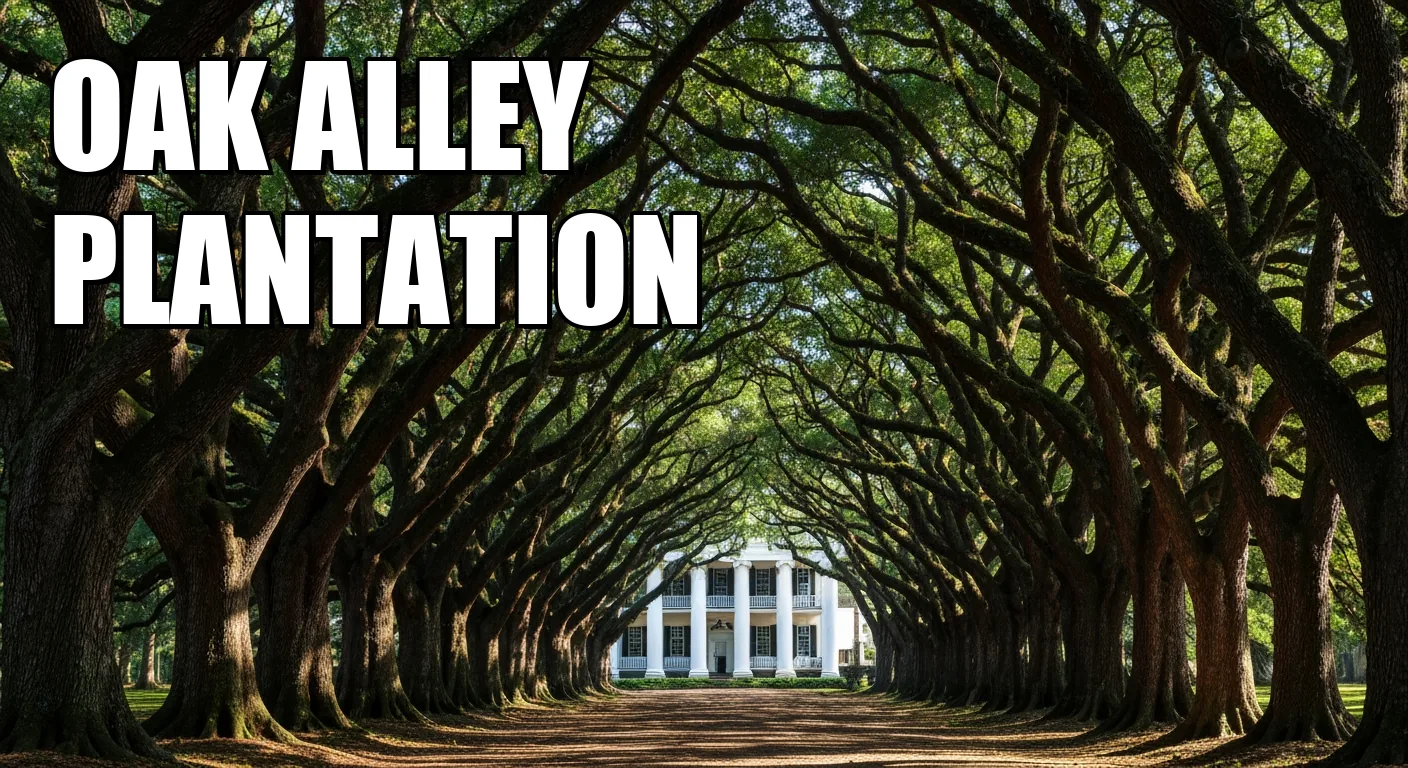
Twenty-eight live oaks form an ~800-foot allee planted between ~1725 and 1750—decades before the 1839 mansion. Aligning canopy with the new house required enslaved workers to uproot and transplant 22 mature oaks. Film and video that used that corridor include Interview with the Vampire (1994), Hush…Hush, Sweet Charlotte (1964 exteriors), Primary Colors (1998), Abraham Lincoln: Vampire Hunter (2012), Beyoncé’s “Déjà Vu,” and other TV/novel adaptations. The canopy is the star; the labor that moved trees is the plot twist most photo lines skip.
ReDiscover Oak Alley (from 2011) pushed interpretation past hoopskirt nostalgia. Docents now wear polos, not period gowns. “Slavery at Oak Alley” (2013) places six reconstructed cabins on original footprints: field quarters, house-servant quarters, sick house, post-emancipation dwelling, plus exhibit cabins on religion, clothing, punishment, and work. A wall names known individuals among 220+ enslaved people; the 2014 Slavery Database tracks names, origins, and relationships. Standout stories: Antoine, enslaved gardener who grafted commercial paper-shell pecans in 1846; Meanna, house seamstress/housekeeper whose biography complicates “Big House” romance. Conversation programs at the slavery exhibit often run ~10:30, 12:00, 2:00, 3:00—build them into the day.
Overnight cottages and River Road pairing
Historic cottages (1890s–1920s) vs modern 2015 units (Cottage 7 fully accessible). Packages (48-hour notice): Do Not Disturb ~$80 (noon checkout, fruit/cheese/strawberries, breakfast in room + beverage); Honeymooners ~$220 (sparkling wine, strawberries, robes); Girlfriends ~$40/person (mint juleps, snacks). Overnight does not automatically include the ~$30 daytime Big House ticket—budget it. Morning and evening cottage guests share the allee without tour buses blocking the classic shot—worth the rate if photography is your goal. For ethics and balance, drive ~5 miles / 15–20 minutes to Whitney Plantation (closed Tuesdays)—Louisiana’s museum dedicated exclusively to enslaved experience (original cabins, Field of Angels for ~2,200 children, Wall of Honor). Oak Alley for architecture and film canopy; Whitney for unflinching memorial. River Road is ~1 hour from New Orleans by car—rent wheels, and pack water for summer heat between parking lots and cabin paths.
Fact vs lore: charm vs camp
Lore: the allee is pure pastoral beauty; plantation hospitality was gentle culture; hoopskirts equal history. Documented: sugar wealth, mansion construction, and oak transplant logistics rested on forced labor of 220+ people. ReDiscover retired costumes to stop romanticizing and objectifying guides. Cabins remain self-guided—visitors can still bypass them for Big House photos. Ethical practice: make the cabin wall and conversations non-negotiable, then walk the oaks knowing who moved them.
Who yes, who no—three scenarios
Who yes: film-location travelers who will still do cabin exhibits; overnight guests wanting empty allee light; River Road day-stackers with Whitney. Who no: visitors seeking only mint-julep cosplay; people who skip slavery interpretation on purpose; Tuesday Whitney fans who forget that site’s closure day.
Three cost scenarios. (1) Day adult: ~$30 Big House ticket + parking/time—add Whitney separately. (2) Couple overnight light: ~$205 cottage + 2 × $30 tours ≈ $265+ before dinner packages. (3) Family/deluxe: $280–$370 cottage + $80 Do Not Disturb + daytime tickets ≈ $420–$510+. If you only have one River Road morning, do Big House + all six cabins + name wall before lunch, then Whitney after. Bottom line: history and ebony (oaks and Black labor) collide at Oak Alley only when you pay for the cabin exhibits with the same seriousness as the timed Big House slot—not when you treat the allee as a free-floating movie set.
Oak Alley Plantation FAQ
How much is Oak Alley Plantation admission?
Tickets that include the guided Big House tour are about $30 or more per adult. Grounds and exhibit access without the mansion are often a few dollars less (about $27+). Tour times are assigned when you buy tickets; Big House tours typically run every 15 minutes from about 9:00 a.m. to 4:30 p.m.
Can you stay overnight at Oak Alley?
Yes. Oak Alley Restaurant & Inn offers nine cottages on the edge of the historic grounds. Sample rates range from about $205 for a one-bedroom duplex to $280 for a two-bedroom historic cottage and around $370 for the deluxe Milkshed. Rates usually include breakfast and after-hours grounds access, not dinner.
What is the Slavery at Oak Alley exhibit?
Opened in 2013 as part of ReDiscover Oak Alley, it features six reconstructed cabins on original footprints plus exhibits on daily life, punishment, religion, and work. A wall and online database honor more than 220 enslaved people by name where known. The cabin tour is self-guided—plan time for it deliberately.
What movies were filmed at Oak Alley?
The 28-oak allee and mansion have appeared in Interview with the Vampire (1994), Hush…Hush, Sweet Charlotte (1964 exteriors), Primary Colors (1998), Abraham Lincoln: Vampire Hunter (2012), Beyoncé’s “Déjà Vu” video, and other productions. The canopy is the visual signature directors buy.
Should I visit Whitney Plantation with Oak Alley?
Yes for a balanced River Road day. Whitney is about five miles away and focuses exclusively on enslaved experience. Oak Alley offers mansion architecture and film-famous oaks; Whitney supplies memorial depth many visitors miss if they only photograph the allee. Whitney is closed on Tuesdays.
The Cornerstone Brief
One historic place, once a week — what it is, why it matters, whether it's worth going. No filler, no paid placements.
Coming soon. Unsubscribe any time.