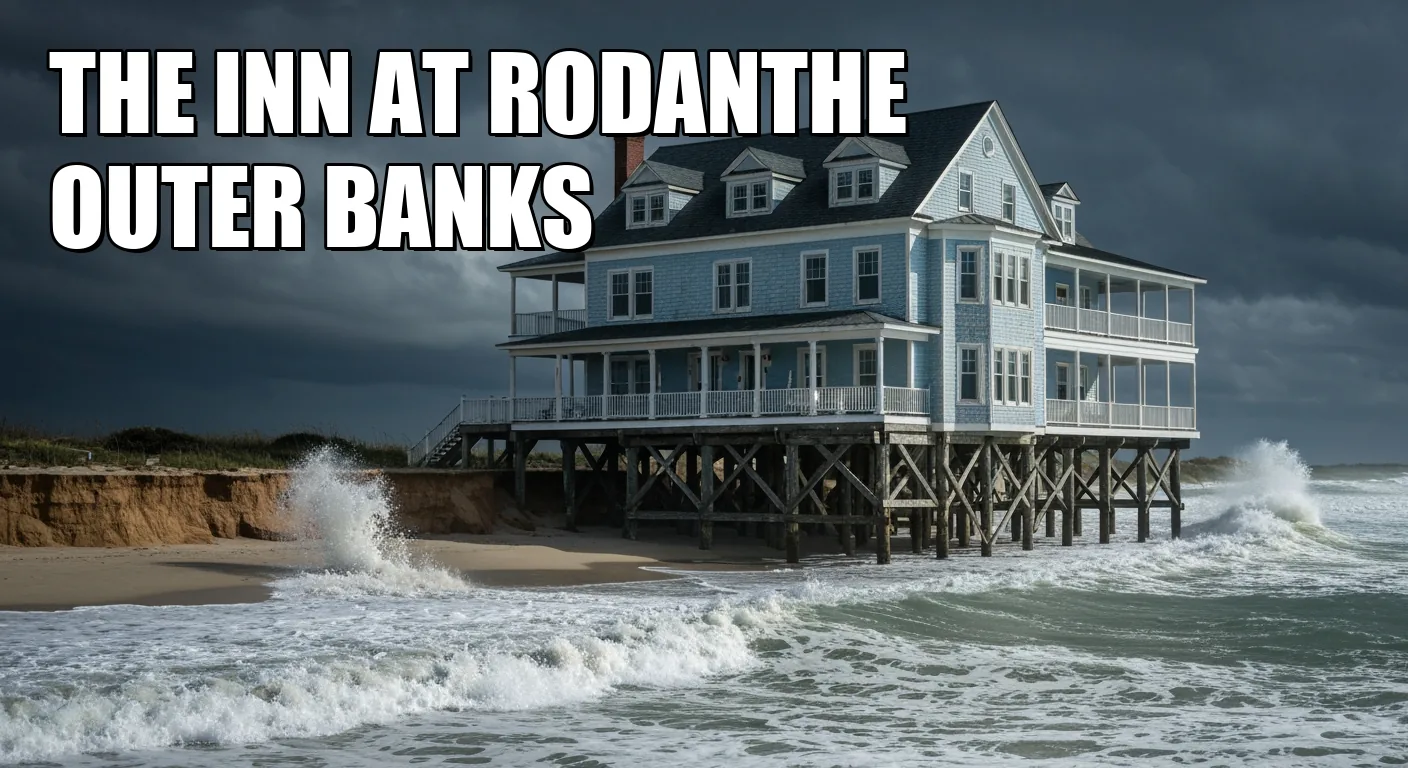
There’s a certain kind of house that transcends mere architecture, becoming a character in its own right. The Inn at Rodanthe, forever etched into our collective consciousness as the backdrop for the 2008 film "Nights in Rodanthe," is precisely such a place. I’d seen the movie, of course, and like many, I’d romanticized the idea of a storm-battered cottage clinging to the edge of the Atlantic. But traveling to Rodanthe, standing on that very porch, you realize the reality is far more compelling, a testament not just to cinematic magic, but to human resilience and a relentless battle against nature's whim.
Before you even consider booking a stay, understand this: the house you see today, lovingly restored and perpetually photogenic, isn't quite the house that first stood guard against the waves. Its journey from condemned relic to celebrated rental is a saga worth knowing, fundamentally altering how one perceives its current charm.
The House That Defied the Waves: A Story of Coastal Survival
Can you imagine a house so perilously close to the ocean that it was declared a "public nuisance" and condemned? That was the grim fate awaiting what was then known as Serendipity. Originally constructed in the 1980s, the property once enjoyed a comfortable 400-foot buffer from the Atlantic. But the Outer Banks, a slender ribbon of sand constantly reshaped by powerful storms and relentless coastal erosion, cares little for human blueprints. Decades of hurricanes and storm surge had steadily gnawed away at that buffer, pushing the house to the brink of collapse, virtually into the sea itself.
The solution, when it came, was nothing short of extraordinary. On January 18, 2010, at 11:00 a.m., an 83,000-pound structure began a remarkable half-mile journey down North Carolina Highway 12. This wasn't a demolition; it was a daring rescue, undertaken by Expert House Movers, the same company famed for relocating the monumental Cape Hatteras Lighthouse. Witnessing such a feat, even through archival footage, underscores the fierce determination to save this cinematic landmark. They lifted the entire structure onto hydraulic wheels, navigated it through the sleepy town, and settled it onto a new foundation significantly further inland on Beacon Street. The undertaking was a dramatic, logistical ballet, requiring the temporary removal of power lines and a halt to traffic, all to grant this beloved house a second chance.
Why go to such lengths for a house? Because for many, it had become more than just a building; it was a symbol, a character. Its near-demise and subsequent relocation offer a poignant lesson in the impermanence of our coastal constructions, a sobering counterpoint to the romantic ideals often associated with oceanfront living. This isn't just a fun fact; it's the core of the house’s current identity, a phoenix from the surf, reborn.
Stepping Inside the Screen: Rebuilding a Cinematic Dream
Following its dramatic rescue, the house found new stewards in Ben and Debra Huss, self-professed "extreme fans" of the movie. Their vision wasn't merely to stabilize the structure, but to painstakingly resurrect its on-screen persona. This wasn't a typical renovation; it was an archaeological recreation, a meticulous effort to bottle the lightning of a film set and make it available for everyday vacationers. What surprised me most was the sheer dedication to detail, bordering on obsession, that went into this process.
They weren't just redecorating; they were performing a kind of architectural forensics. Imagine tracking down the exact vintage 1920s-pattern wallpaper used in the movie kitchen, sourcing it from New York to ensure authenticity. This wasn't an easy task, but it speaks volumes about their commitment to the film's aesthetic. The distinctive blue decorative shutters, so prominent in the movie's establishing shots, were carefully recreated and reinstalled. Inside, the artful swinging kitchen doors, a signature design element from the film, were painstakingly replicated. Even the multi-level wraparound decks, which had been temporary additions by the film production crew, were permanently incorporated into the design, ensuring the house now always presents its iconic face to the ocean.
Throughout the interior, traditional bead board walls were integrated, evoking that cozy, traditional seaside inn atmosphere. The owners went further, installing a wet bar on the first level for guest convenience and even sourcing a functioning pump organ for the dining room, a period piece that grounds the space in a bygone era. Perhaps the most celebrated re-creation is Richard Gere’s character’s famous blue bedroom, painstakingly furnished with antiques and period pieces to match its on-screen appearance. Original movie props, including lamps and a small antique oak desk with mirror, were even acquired and placed in the kitchen, blurring the line between movie set and lived-in home. This wasn't merely a restoration; it was an act of reverence, turning a salvaged structure into a living tribute. The result is a place where fans can truly step into a scene, a rare experience often promised but seldom delivered with such precision.
Rodanthe Beyond Richard Gere: What to Expect from the Outer Banks
While the Inn at Rodanthe is undoubtedly the star attraction for many, it’s crucial to understand the broader context of its location. Is Rodanthe merely a cinematic backdrop, a place to check off a movie-buff bucket list? Not entirely, though the film certainly put this quiet Outer Banks village on the map. Rodanthe, situated on Hatteras Island, is a far cry from the bustling tourist hubs further north like Nags Head or Kitty Hawk. This is a place for quiet reflection, for serious beachcombing, and for appreciating the raw, untamed beauty of the barrier islands.
Don't come expecting a plethora of high-end restaurants or endless nightlife. What you will find are locally owned seafood shacks, bait shops, and uncrowded stretches of beach. The "tourist trap" label, often thrown at film locations, feels largely unfair here. While the house itself is a draw, Rodanthe offers genuine Outer Banks charm: kiteboarding and windsurfing opportunities are abundant, given the consistent winds and shallow sound-side waters. Pea Island National Wildlife Refuge, just south of Rodanthe, offers unparalleled birdwatching and serene walking trails. It’s a destination for those who appreciate natural beauty over manufactured entertainment, and the Inn serves as a luxurious, yet fitting, base for that exploration.
Practical issues? Beyond the house, local amenities are somewhat spread out. You'll want a car to explore the island, grab groceries, or visit nearby villages like Waves or Salvo. Cell service can be spotty in some areas, though the house itself will have WiFi. Manage your expectations regarding immediate access to "everything." Rodanthe offers a slower pace, a chance to disconnect—a significant part of its enduring appeal, movie or no movie.
Navigating Your Stay: Deciphering the Rental Experience
So, you’re intrigued. You’ve pictured yourself on those decks, perhaps even recreating a scene or two. The good news is that the Inn at Rodanthe is very much an active vacation rental, accommodating up to 12 guests across 6 bedrooms and 4.5 bathrooms. This isn’t a museum; it’s a living, breathing house, designed for group stays and family gatherings. But understanding the pricing and booking dynamics is key to planning your visit effectively.
The weekly rates fluctuate wildly, reflecting the sheer demand for this unique property. You’ll find off-season rates starting around $1,095 per week, typically from January through mid-May and then again from mid-September through December. However, if your heart is set on a summer sojourn, expect to pay a premium, with peak season rates soaring to $4,995 per week, primarily during June, July, and August. This stark difference isn't just about demand; it reflects the dramatic shift in weather, ocean temperatures, and available activities. Off-season offers solitude and cooler temperatures, ideal for quiet retreats, while peak season brings warmer waters, vibrant beach life, and significantly more company.
For bookings in the popular window of May 24 through August 30, 2025, guests receive a $250 VayK Gear credit. This isn't merely a nice gesture; it’s a practical necessity for maximizing your beach experience. That credit can be redeemed for essential beach equipment like bikes, chairs, umbrellas, and paddleboards, saving you the hassle and cost of bringing your own or renting piecemeal. Beyond that, the property includes complimentary linens with made beds, a 3-person hot tub for evening relaxation, a screened-in porch perfect for escaping mosquitos, a grill for outdoor cooking, an outdoor shower to rinse off sand, an electronic keyless door lock for easy access, and reliable WiFi. The availability through both Sun Realty (1-800-345-0910 or sunrealtync.com) and Surf or Sound Realty (1-800-237-1138 or surforsound.com) ensures multiple avenues for inquiries, though I always recommend contacting the primary management, Sun Realty, first for the most current information and best rates.
More Than a Rental, A Legacy on the Sand: Why This House Endures
What truly makes the Inn at Rodanthe a compelling destination, beyond its cinematic ties and luxurious appointments, is its narrative arc. It’s a story of vulnerability, rescue, and tenacious preservation. This isn't just a house; it’s a testament to the powerful, often destructive, beauty of the Outer Banks, and the human desire to hold onto something cherished, even when nature dictates otherwise. The property’s current listing for sale in 2025 at $1,699,000, while still operating as a rental, underscores its enduring appeal and significant value, generating approximately $130,000 annually in rental income. This dual identity—a passion project for its owners, a revenue-generating asset, and a cultural icon—makes it fascinating.
The house embodies a unique blend of fantasy and harsh reality. You come for the movie magic, the chance to inhabit a screen. You leave with a deeper appreciation for the Outer Banks' dynamic environment and the extraordinary lengths taken to preserve a piece of cinematic history. This isn't a passive experience; it's an engagement with a place that has fought for its very existence. It compels you to think about what we value, what we choose to save, and the unexpected journeys even a building can take. Visiting the Inn at Rodanthe isn't just booking a vacation; it's stepping into an ongoing story, a tangible reminder that some dreams, however precariously perched, are worth fighting for.