Can you visit America’s Indigenous “sacred ground” without a special invitation or a private-plane budget? Yes—if you treat the trip as logistics, not a secret-ruins scavenger hunt. Free Smithsonian museums, cashless park gates, $25 pueblo admissions, and ranger-led cliff tours that open 14 days out on Recreation.gov are the real map. Social posts that promise “hidden ruins you can climb” are the wrong map.
The price spread is wide and intentional. National Museum of the American Indian: $0, no timed pass for general entry. Mesa Verde private vehicle: about $30 in peak season (May–late October), about $20 off-season—valid seven days, credit/debit only. Cliff Palace ranger tour: $8 per person ages 3+, separate from the gate fee, and tickets sell out early. Taos Pueblo: $25 adult. Chaco Culture: $25 per vehicle, long dirt roads that fail in wet weather. Those numbers—not vibes—decide whether you can go this weekend.
This guide ranks what is open, what is sovereign and fee-based, and what etiquette is non-negotiable in 2026.
Free federal museums: NMAI as the soft on-ramp
The National Museum of the American Indian (Smithsonian) runs two public buildings with free general admission and no advance ticket for a normal gallery visit. Washington, D.C. (National Mall) is typically open daily about 10:00 a.m.–5:30 p.m. The George Gustav Heye Center in New York is open daily about 10:00 a.m.–5:00 p.m.; some secondary guides still list Thursday evenings until 8:00 p.m., while others stop at 5:00 p.m.—confirm the day’s hours on the Smithsonian page before you plan dinner around late admission. Both close December 25. Special workshops or ticketed events can cost money; the permanent galleries do not.
D.C. adds Mitsitam Café (Indigenous-inspired regional food across several culture areas). NYC is lighter on full-service dining—plan outside the building. Use NMAI for weather, kids, or a layover: interpretation under climate control, not a substitute for sovereign lands, but the cheapest on-ramp.
Parks with ancestral architecture: Mesa Verde and Chaco
Mesa Verde National Park (Colorado) is the high-volume Ancestral Pueblo cliff-dwelling stop. Park entry for a private vehicle is roughly $30 May 1–Oct 22 and $20 Oct 23–Apr 30 (seven-day pass). Motorcycles and per-person walk/bike rates are lower. The park is effectively cashless at the gate. America the Beautiful passes cover the entrance fee but not every special tour.
Most major cliff dwellings require a ranger-led tour on Recreation.gov (or 1-877-444-6777). 2026 tours run roughly early May–late October; tickets open 14 days ahead at 8:00 a.m. MDT. Cliff Palace is about $8 ages 3+; Square Tower House-type products run higher (~$25). Ladders, uneven stone, weak cell—download or print the pass. Step House is often the self-guided exception when open. Sleep: Far View Lodge or Morefield Campground; gateways Cortez and Mancos.
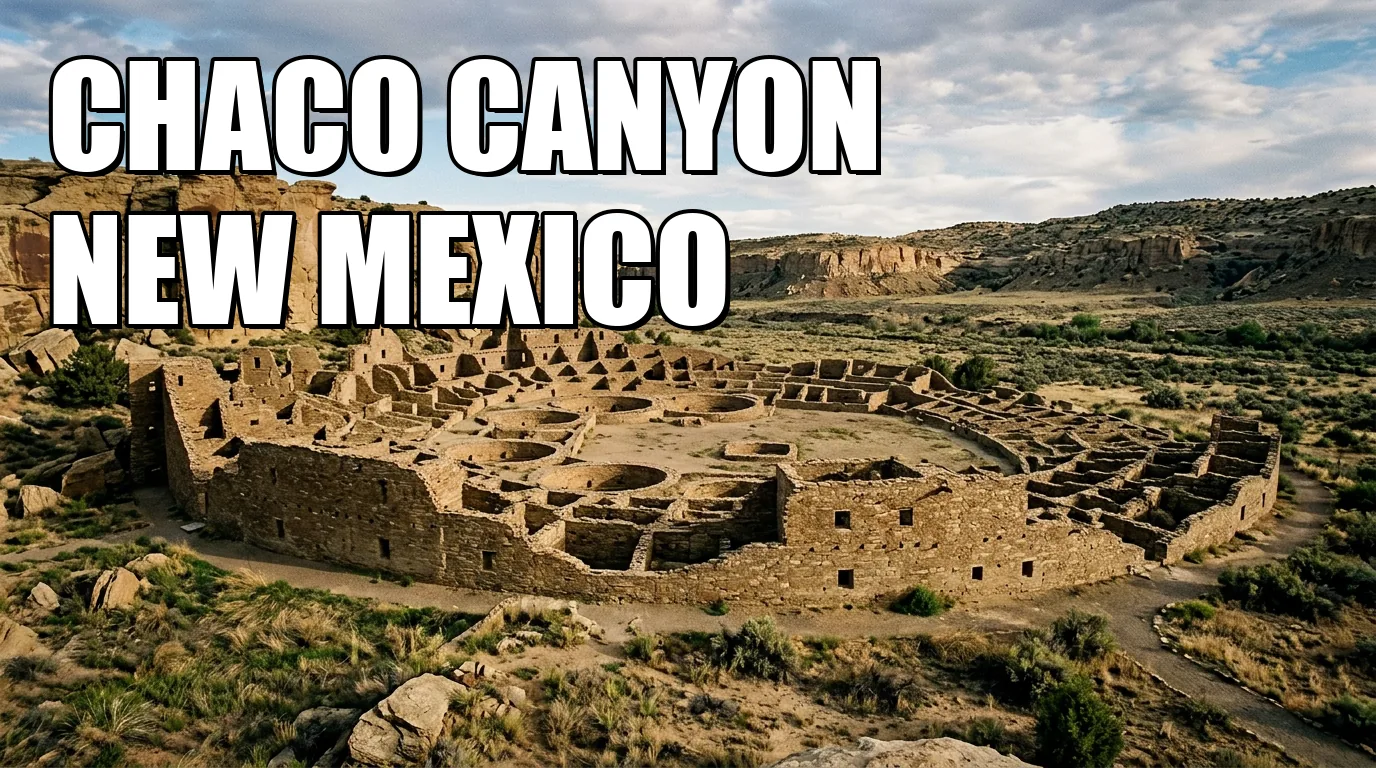
Chaco Culture National Historical Park (New Mexico) is no casual pull-off: 13–21 miles of dirt approaches that fail when wet; about $25 per vehicle for seven days, card-only. Winter loop hours often shrink to 7:00 a.m.–5:00 p.m.; visitor center ~9:00 a.m.–5:00 p.m. Gallo Campground is the on-site option; services lean Nageezi/Farmington. Climbing walls or pocketing sherds is illegal.
Living communities: Taos, Acoma, and sovereign rules
Federal museums and parks are not the same legal space as living pueblos. Taos Pueblo (New Mexico) posts visitor hours roughly 9:00 a.m.–4:00 p.m. when open, with adult admission about $25 (senior/student/military about $22; children 10 and under free). Expect sudden closures for religious events and community mourning, plus a multi-week spring closure (often March–April) for ceremonial life. Photography bans apply inside San Geronimo Chapel; ask before photographing people; commercial work needs pre-approval. Stay out of the river (drinking water), respect cemetery walls, and never treat homes as open houses unless clearly marked as shops and you are invited in.
Acoma Sky City (Sky City Cultural Center & Haak’u Museum) posts hard numbers when open: adult tour about $25, seniors/military about $22, children/youth about $17. A still-camera permit is included with admission; camera-only (no tour) is about $15 + tax; video is prohibited. Recent official posting lists open Friday–Monday 10:00 a.m.–4:00 p.m. with tours commonly at 10:30, 12:30, and 2:30—schedules shift for ceremony, weather, and season, so same-week confirmation is mandatory. Groups of 10+ usually need advance booking (800-747-0181 is the long-published line).
Heard Museum (Phoenix): daily ~10:00 a.m.–4:00 p.m. core season (summer may skip Monday). Tickets online; SNAP/Museums for All ~$5 (up to four); AAA $1 off; Bank of America Museums on Us first full weekend monthly. Closed Easter, July 4, Thanksgiving, Christmas.
Museum of the Cherokee People (Cherokee, NC): open seven days ~9:00 a.m.–5:00 p.m.; ticket sales close about 4:00 p.m. General admission is about $15 adult, $8 ages 6–12, free ages 5 and under; members and citizens of federally recognized tribes free; military/AARP/AAA discounts published. Service animals only; exhibits and store are ADA-accessible.
Canyon de Chelly and other guided sacred landscapes
At Canyon de Chelly National Monument (Arizona, Navajo Nation), the National Park Service is unambiguous: scenic rim drives are free (North Rim ~3 overlooks / ~2 hours; South Rim ~7 overlooks / ~2 hours). The Welcome Center is free and typically open daily about 8:00 a.m.–5:00 p.m. (closed Thanksgiving, Christmas, New Year’s). You cannot drive private vehicles into the canyon bottom without an authorized Navajo guide (and the required backcountry permit). The main exception is the White House Trail: self-guided when open (~2.5 miles round trip, ~600-foot descent)—NPS notes the Navajo Nation may later add a fee or seasonal oversight, so recheck the current sheet.
Canyon-floor tours (vehicle/OHV, horse, or hike) are commercial products. Published operator examples include Thunderbird Lodge-style rates around $80 for a half-day / $160 all-day per person, private half-days often $300–$360 depending on package, plus spider-rock rim products in the tens of dollars. Broader market quotes run roughly $70–$350 per person by format and season. On top of tour price, guides collect a Navajo Parks backcountry/tour permit fee—operators currently publish different amounts ($2, $8, $12, even ~$15 on some 2026 resellers). NPS does not freeze a single public dollar figure on its basic-info page; treat the permit as a small extra and confirm with your operator the week you go. Gateway: Chinle, AZ.
Bears Ears / Cedar Mesa overnight backpacking commonly needs ~$15/person permits with trailhead group caps—check current BLM/USFS sheets, not a viral pin. Hopi villages ban photos, video, audio, and sketching without cultural-office consent; if that is a deal-breaker, skip the visit.
Fact vs. marketed “secret ruins”
Fact: Cemeteries, kivas, and burial areas are off-limits to outsiders. Silence (no applause) is mandatory at dances—these are religious events, not stage shows. Cell phones can be confiscated on some pueblos if used for forbidden recording. Removing pottery sherds or lithics on federal land can mean felony-level Archaeological Resources Protection Act penalties. NAGPRA frames human remains and funerary objects as protected dignity, not “finds.”
Marketing myth: That Indigenous heritage is a free-for-all landscape of unguarded ruins for influencers. Capacity caps, cashless gates, 14-day tour releases, and sovereign closures exist to protect soft stone, living communities, and graves—not to spoil your feed. Free Smithsonian galleries and free rim overlooks already give a full day without trespass.
How the visit rates (2026 traveler scorecard)
- Access & cost clarity — 9/10 for museums, 7/10 for parks, 6/10 for pueblos: NMAI is free and simple; parks publish fees but stack tour tickets; living communities change hours for ceremony without tourist notice.
- Physical demand — 5–9/10 depending on site: Mall museums are low effort; Mesa Verde ladders and Chaco washboard roads are not.
- Respect load — 10/10 everywhere that is still lived-in: Photo rules, no climb, no sherd collecting, no dance-plaza chatter. Fail here and you should not travel this theme.
- Advance booking pain — 8/10 at Mesa Verde peak: Treat cliff tours like concert tickets. Shoulder seasons and museums ease the pressure.
- Overnight romance on-site — 4/10: A few park lodges and campgrounds; most nights are in gateway towns (Cortez, Chinle, Taos, Phoenix, D.C.).
Bottom line: You can visit sacred and Indigenous heritage landscapes across the U.S. in 2026—with free federal museums, paid park systems, and sovereign communities that set their own gates. Lead with posted fees and etiquette, not “unveiling” language that treats living nations as abandoned sets.