Architecture Styles

San Francisco's Painted Ladies: Beyond the Postcard

Find Nearby Hotels

Book Flights

There’s a specific kind of light in San Francisco that makes everything shimmer, particularly in the late afternoon. It’s a golden hour glow that seems to exist solely to illuminate the city’s most celebrated row of houses: the Painted Ladies of Alamo Square. To call them merely "picturesque" feels like an understatement; they're an enduring symbol, a defiant splash of color against the city's ever-changing backdrop, and a place I’ve returned to time and again, each visit peeling back another layer of their remarkable history.

Most guides will tell you to snap a photo and move on, but that’s like reading the cover of a classic novel and claiming you know the plot. These aren't just seven pretty houses; they are a living, breathing testament to architectural resilience, an artistic movement, and the sheer audacity of late 19th-century design. What many visitors miss is the palpable sense of history that lingers on Steiner Street, a quiet whisper that tells of earthquakes, shifting tastes, and the dedicated individuals who refused to let these beauties fade.

What Makes These Victorians Truly Stand Out?

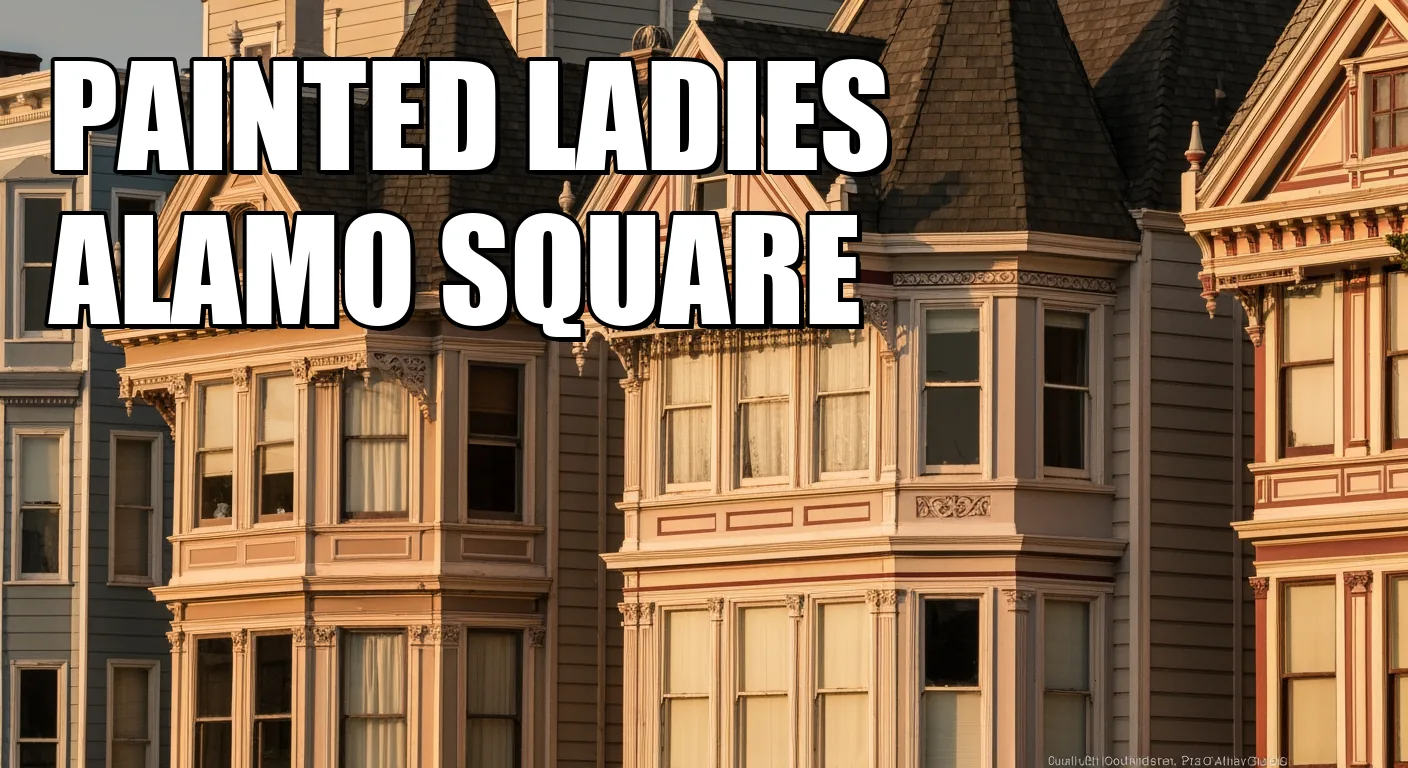
Walking through Alamo Square, you quickly realize San Francisco is awash in Victorian and Edwardian homes. So, what sets the Painted Ladies—specifically the row at 710-720 Steiner Street—apart? It's not just their coordinated pastel palette, though that's certainly their most famous feature. We're talking about quintessential Queen Anne-style architecture, a flamboyant and highly decorative design popular between 1880 and 1910.

Think about their defining characteristics: asymmetrical facades that break from rigid symmetry, steep gabled roofs adorned with ornamental details, and those iconic bay windows that project outward, dramatically expanding interior light and views. You'll notice the intricate cornices, the delicate decorative brackets under eaves, and the elaborate woodwork known as "gingerbread"—lacy spindle work on elevated front porches. Look closer, and you’ll see varying shingle patterns, including decorative fish-scale shingles in the gables, all adding rich texture and visual complexity. Developer Matthew Kavanaugh, an Irish immigrant who embarked on this ambitious project between 1892 and 1896, built these as wood-frame homes, a fact often obscured by their grand, stone-like appearance. This particular row of seven, often referred to as the "Postcard Row," simply captures the essence of the style better than almost any other collection in the city.

The Evolution of Color: From Stark White to Rainbow Palette

It’s easy to assume these homes have always sported their iconic vibrant hues, but that’s far from the truth. In their original incarnation, the Painted Ladies—and indeed, most Victorians of the era—were painted in a chalky white or muted, earth-toned colors. The goal was often to mimic stone, disguising their humble redwood construction and lending an air of aristocratic gravitas. Frankly, they looked a bit somber, which might surprise those accustomed to their current exuberance.

The true transformation began in the 1960s, a fascinating period of artistic rebellion and urban renewal. San Francisco was rapidly modernizing, and many historic buildings faced demolition. It was against this backdrop that artist Butch Kardum, in 1963, took a bold step: he painted his own Italianate Victorian in a striking combination of intense blues and greens. This wasn't just a paint job; it was a philosophical statement, a rejection of modernist blandness, and an effort to highlight the intricate architectural details that had been lost under layers of dull paint. Kardum effectively kickstarted the "colorist movement." Soon, professional color designers like Tony Canaletich, Bob Buckter, and the influential Jill Pilaroscia joined the fray, meticulously crafting complex palettes using three or more complementary colors. Pilaroscia, whose work included a long stint as Hewlett Packard’s global color consultant, became renowned for her "ribbons of color" approach, orchestrating the building's surfaces to integrate various architectural elements and make them sing. It was an art form in itself, bringing these structures back to vivid life and, in doing so, inadvertently launching a preservation movement by showcasing their intrinsic beauty.

Who Lives in a Painted Lady? Unveiling the Realities

Beyond their architectural grandeur and colorful past, these homes harbor fascinating individual stories, and perhaps more importantly, considerable practical challenges for their owners. Take 722 Steiner Street, the stately gray Painted Lady that anchors the north end of the row. This was the original residence of developer Matthew Kavanaugh himself, a grand 4,700-square-foot mansion built in 1892. It faced demolition in the 1970s, a chilling reminder of how close we came to losing this entire row, but was thankfully saved through diligent restoration efforts.

Then there’s 712 Steiner Street, the striking blue house, which received the rather grand title of "Best Painted House in America" in 1997. George Horsfall, its current owner, famously offers daily tours at 4 PM, a rare opportunity to step inside one of these iconic homes. He’s done an incredible job preserving its original gas-lit chandeliers and decades-old ornaments, even boasting exquisite stained-glass windows that scatter rainbow prisms of light throughout the interior. It’s a painstaking commitment, maintaining such a historical treasure, and Horsfall's dedication offers a glimpse into the immense effort required.

Consider the pink Painted Lady at 714 Steiner Street, which made headlines when Leah Culver purchased it for a cool $3.55 million in 2020. Her journey to restore it, involving David Armour Architecture and historical consultants, is a testament to the blend of preservation and necessary modernization. Permits for comprehensive rehabilitation, including crucial seismic retrofitting (an absolute must in earthquake-prone San Francisco), structural expansion, and interior restoration, show that owning a piece of history isn't just about admiring the view; it's about a significant, ongoing investment in its future. Moreover, 720 Steiner Street was once home to acclaimed author Alice Walker, adding another layer of cultural significance that typical tourist pamphlets rarely highlight.

Navigating the View: Practicalities and Unexpected Truths

So, you want to capture that perfect shot or simply soak in the atmosphere? There’s more to it than just showing up. The postcard view of the Painted Ladies against the downtown skyline is best enjoyed from the eastern slope of Alamo Square Park, directly across from the houses. However, this is also where everyone else converges, especially on a sunny day.

To truly experience the Ladies without battling throngs of fellow tourists, aim for early mornings, ideally before 9 AM, or late afternoons, around an hour before sunset, on a weekday. Weekends are predictably packed. Forget about street parking near Alamo Square; it's a nightmare of permit zones and fierce competition. Your best bet is to take public transportation: the 21-Hayes bus drops you right at the park's edge, or a short ride-share from downtown will get you there easily. If you absolutely must drive, consider parking several blocks away and enjoying a walk through the charming surrounding streets.

One critical insight often overlooked: while the "Full House" opening credits made these homes globally famous, expecting the exact same vibe might lead to disappointment. The show was largely filmed on a soundstage, and while the exterior shot is iconic, Alamo Square itself is a residential neighborhood, not a theme park. What you'll find is a tranquil park (despite the crowds), a vibrant local community, and a truly breathtaking panorama of San Francisco. Don't just focus on the houses; turn around and appreciate the sprawling cityscape, including the Transamerica Pyramid and the Bay Bridge, stretching out behind you. It's a view that rivals the Ladies themselves.

Why These San Francisco Icons Still Resonate

The Painted Ladies are more than just a cluster of colorful homes; they represent a remarkable triumph of survival and artistic vision. These structures stood firm through the devastating 1906 San Francisco earthquake, thanks to the stable ground of the Alamo Square neighborhood, a testament to Victorian-era construction resilience. Their transformation from somber white to vibrant pastels wasn't merely a decorative choice; it was a defiant act that rescued them from potential obscurity, allowing their intricate details to truly shine.

Their enduring presence in over 70 films, television programs, and countless advertisements, most famously the enduring "Full House" intro, has cemented their status as cultural icons. They continue to define a significant part of San Francisco's aesthetic identity, drawing millions annually. But beyond the fame, what truly resonates is their powerful statement about preserving architectural heritage with both sensitivity and innovation. They stand as a vibrant, living museum, reminding us that history isn't just something to be observed from afar, but something to be cherished, reimagined, and actively preserved for generations to come. Standing there, gazing up at their intricate facades, one can't help but feel a profound connection to the city's tenacious spirit and its unwavering commitment to beauty.

The Ultimate Guide to Painted Ladies Victorian Houses in America

What exactly are painted ladies Victorian houses?
Painted ladies are Victorian or Edwardian-era homes painted in three or more colors to highlight their architectural details. The term was popularized in San Francisco during the 1960s when artist Butch Kardum and others embraced the 'Colorist movement,' transforming previously drab houses into vibrant works of art that reflected the counterculture spirit of the era.
Where are the most famous painted ladies located?
The most iconic painted ladies are located at 710-720 Steiner Street in San Francisco, overlooking Alamo Square Park. Known as 'Postcard Row' or the 'Seven Sisters,' these Queen Anne-style Victorian homes built between 1892-1896 are among the most photographed houses in the United States.
Painted ladies victorian houses tour
Multiple tour options are available: the Blue Painted Lady House Tour offers 90-minute interior tours at 712 Steiner Street ($35 per person, starting at 4pm daily with a 2-person minimum); Painted Ladies Tour Company provides 2-hour vintage VW bus city tours for $82-85 per adult; SF City Guides offers free walking tours of Alamo Square; and various tour companies offer combination city tours that include the Painted Ladies as a stop.
What is the best time to visit painted ladies in San Francisco?
Late spring through early fall offers the most pleasant weather. For photography, late afternoon to early evening is ideal when the sun casts a warm glow on the houses; however, midday offers clearer lighting for capturing the downtown skyline behind them on clear days.
Is there free admission to see the painted ladies?
Yes, viewing the painted ladies from Alamo Square Park across the street is completely free and accessible 24/7. Additionally, SF City Guides offers free walking tours, and occasionally pop-up museums or special exhibitions inside the houses may offer free entry with advance registration.
What are the architectural features of painted ladies?
Painted ladies are predominantly Queen Anne-style Victorians featuring asymmetrical facades, steep roofs with decorative brackets, prominent bay windows, ornate turrets and towers, intricate gingerbread trim and spindlework, and lower windows with single-pane glass. The vibrant color schemes typically use three or more contrasting hues to emphasize these architectural details.
Can I take photographs inside the painted lady houses on tours?
Policies vary by tour. The Blue Painted Lady House Tour allows still photography inside but prohibits video recording; hosts provide professional photos of guests and the house as a bonus. Always confirm the photography policy when booking your specific tour.
How do I get to the painted ladies at Alamo Square?
Public transportation is recommended: Bus Route 21 Hayes stops near Alamo Square Park, and Routes 5, 6, 7, 37, and 43 serve nearby areas. Street parking is limited and challenging in this residential neighborhood; parking garages are available nearby but street spots may require patience or paid parking services.
Are there painted ladies in other cities besides San Francisco?
Yes, painted ladies can be found throughout the United States. Cape May, New Jersey boasts over 600 Victorian painted ladies; Baltimore, Maryland, St. Louis, Cincinnati, and various New England towns including Portland and Bangor, Maine also feature notable painted lady homes.
What nearby attractions can I combine with a painted ladies visit?
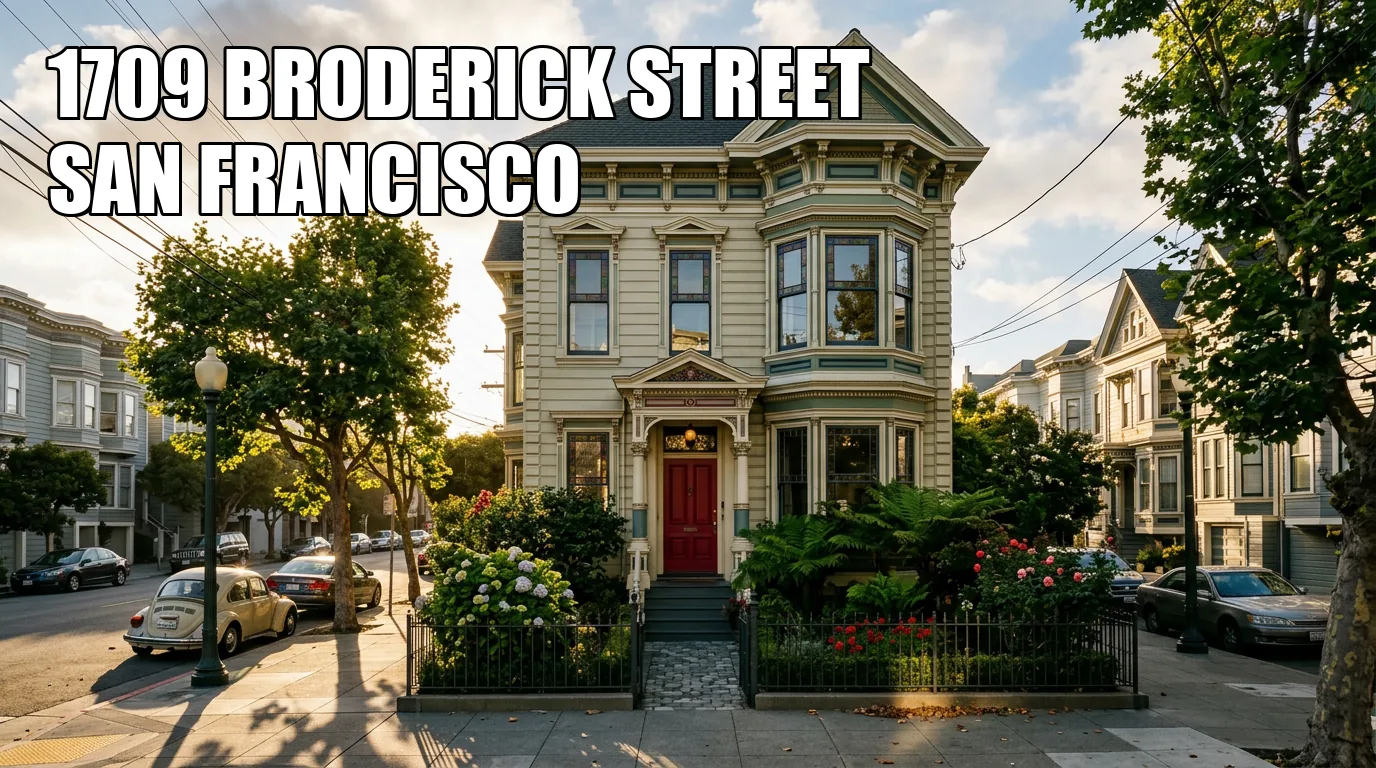
Alamo Square Park offers scenic views and picnic areas. Nearby attractions include Japantown, Emporium Arcade Bar, the Grateful Dead House at 727 Ashbury Street, and the famous 'Full House' filming location (though this is a different house at 1709 Broderick Street, not the Painted Ladies themselves).
Why were Victorian houses repainted with bright colors in the 1960s?
In 1963, artist Butch Kardum initiated the 'Colorist movement' by painting his Victorian home in bold blues and greens, inspired by the counterculture and psychedelic movement of the era. This represented individualism and self-expression, transforming previously drab houses painted in earth tones or battleship grey into vibrant icons of San Francisco's cultural identity.
How long should I plan to spend viewing the painted ladies?
Quick exterior viewing from Alamo Square Park takes 30-60 minutes for photos. Interior house tours typically last 90 minutes to 2 hours. Full walking tours or city bus tours generally range from 2-3 hours.
Are the painted ladies wheelchair accessible?
The exterior viewing area at Alamo Square Park is accessible, but interior house tours are typically not wheelchair accessible. Always confirm accessibility requirements when booking specific tours or exhibitions inside the homes.
When were the original painted ladies at Alamo Square built?
The seven Victorian houses at Alamo Square were built between 1892 and 1896 during San Francisco's post-Gold Rush building boom, when approximately 48,000 Victorian homes were constructed in the city.