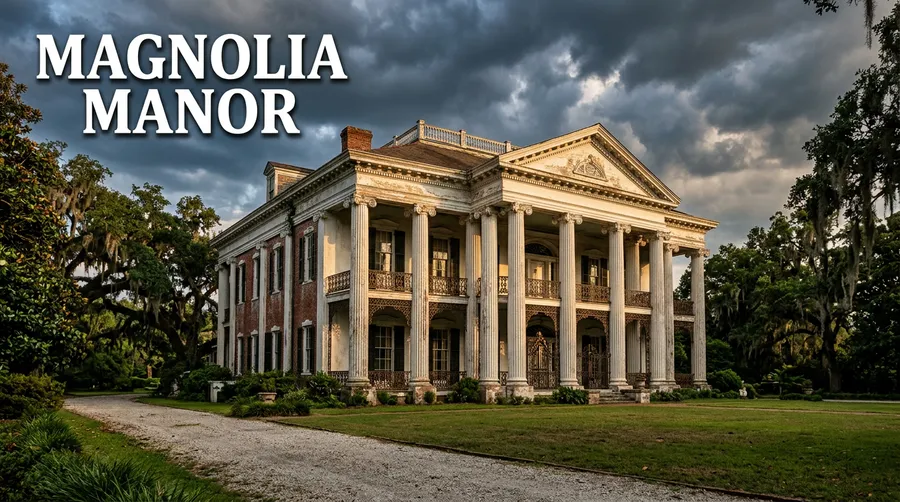
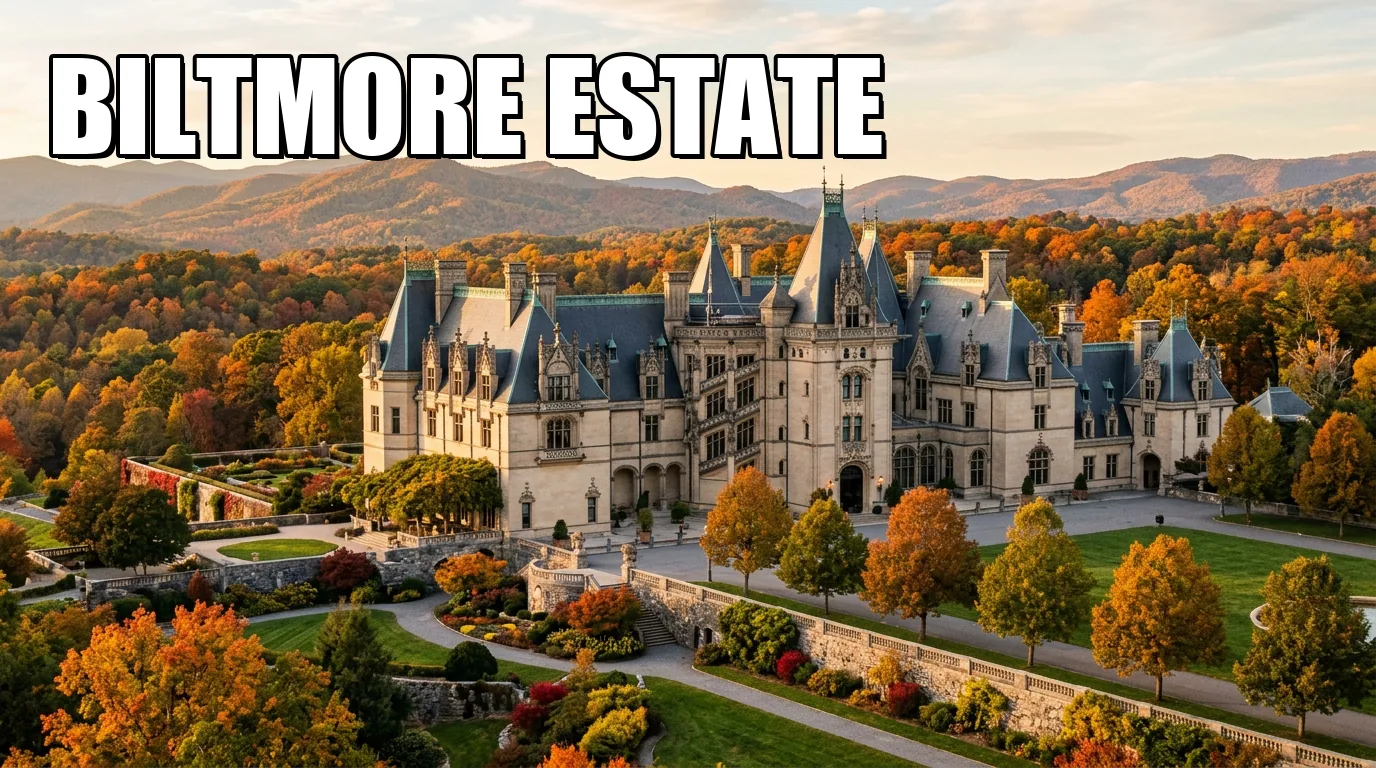
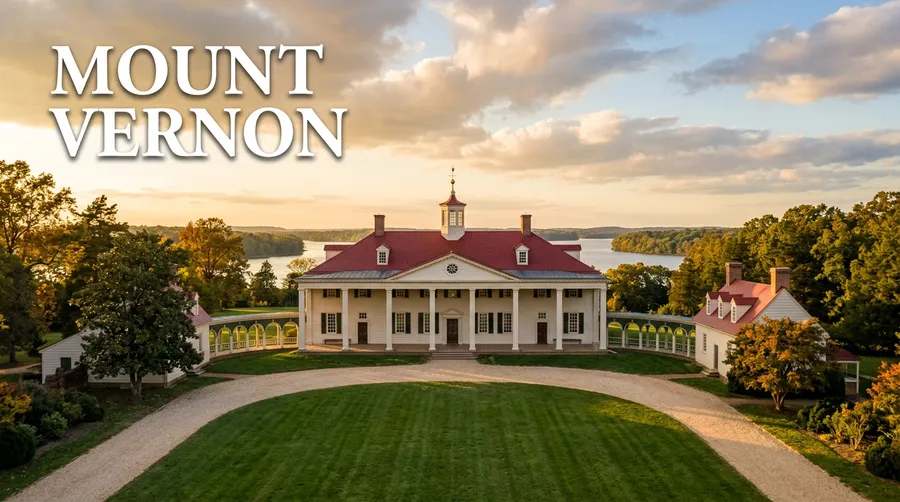
There’s a common misconception that historic sites, particularly the grand antebellum mansions scattered across the American South, are frozen in time, offering a predictable stroll through period rooms and polite narratives. My travels have shown me quite the opposite. The South’s historic estates are in the midst of a profound, sometimes uncomfortable, re-evaluation, grappling with their complex pasts and fighting for their very existence against the forces of nature. If you’re planning a visit, forget your preconceived notions. What you’ll encounter now is often far more nuanced, more challenging, and ultimately, more rewarding than any traditional guidebook might suggest.
How do you tell a story that for generations was deliberately incomplete, or worse, skewed? That’s the monumental task facing countless historic sites, from sprawling plantations to humble urban homesteads. Many are now deploying innovative strategies, moving beyond the polished veneer of drawing rooms and silver service to confront the realities of slavery, the Civil War’s true legacy, and the fight for Civil Rights with an unflinching gaze. This isn't just a trend; it's a fundamental shift, driven by a deeper understanding of history and a commitment to amplify voices long silenced.
Shaking Off the Dust: How Southern Mansions Rethink History's Echoes
Stepping onto the manicured grounds of a historic plantation today, you might be handed not just a map, but an augmented reality (AR) headset. This isn't a gimmick; it’s a powerful tool to bridge the chasm between past and present. Imagine walking through what appears to be an empty field at a site like Mount Vernon, then, through your device, seeing the ghost of an 18th-century slave quarter materialize around you, complete with animated figures going about their daily lives. The sense of presence, of the invisible made visible, is jarring and deeply impactful. It compels you to acknowledge the full human cost of these beautiful landscapes, rather than allowing their grandeur to overshadow the harsh realities of their creation. While a fascinating innovation, be aware that the technology can sometimes feel clunky, and arriving early on less crowded weekdays can enhance the immersion, preventing long waits for devices.
Beyond the tech, the narratives themselves are undergoing a radical overhaul. I’ve noticed a palpable shift in curatorial approaches, moving away from an almost exclusive focus on battle tactics or architectural splendor towards deeply personal accounts. Take Richmond’s American Civil War Museum, for instance. Rather than another rehashing of strategy maps, their exhibits weave together a tapestry of voices—Union, Confederate, and African American—often through multimedia collages and emotional "mapping" that trace the human toll of the conflict. This isn't about shying away from uncomfortable truths; it's about centering slavery as the inescapable catalyst of the war and acknowledging its enduring, painful legacy. What’s truly unique here is the willingness to confront myths head-on, forcing visitors to re-evaluate what they thought they knew about this pivotal period.
Another profound development is the rise of community-led oral history projects, particularly at Civil Rights era sites. In New Orleans, the NOLA Resistance Oral History Project is a stellar example, actively capturing firsthand testimonies from activists who fought for change between 1954 and 1976. This isn't history written by academics alone; it's history being shaped and owned by the very communities who lived it. They produce video interviews and curricular materials, ensuring that the narratives are authentic, deeply personal, and resonate with local experiences. This approach challenges the traditional top-down interpretation of history, creating a more democratic and often more emotionally resonant experience. When planning your visit, seek out these projects; they offer a perspective you simply won’t find in mainstream publications.
Beyond the Veranda: The Unseen Stories That Now Resonate
What does this mean for the typical visitor to a Southern mansion? Often, it means confronting an expectation versus reality gap that can be unsettling but ultimately enriching. Many arrive expecting romanticized stories of Southern belles and gentleman farmers, only to find themselves immersed in the brutal economics of forced labor and the resilience of those enslaved. This isn't about guilt-tripping; it's about providing the necessary context. A tour guide might spend as much time discussing the ingenious survival strategies of enslaved workers as they do detailing the imported wallpaper in the grand parlor. This depth of storytelling makes these visits crucial, offering a more complete picture of the society that built and sustained these opulent homes.
One might wonder if these efforts are truly inclusive or merely performative. My observations suggest a genuine commitment from many institutions, though the journey is ongoing. What truly makes a site unique is its willingness to critically examine its own history of interpretation. Have they always told the full story? If not, why? And how are they actively working to rectify that? This transparency is what separates a truly insightful experience from one that simply adds a few paragraphs about slavery to an otherwise unchanged narrative. Look for sites that actively collaborate with descendant communities and scholars, rather than simply paying lip service to diversity. The conversation around these sites is dynamic, and you're invited to be part of it, to question, and to learn.
When Water Meets History: Protecting Irreplaceable Legacy from Rising Tides
As if re-evaluating centuries of complex history wasn't enough, many of the South's most cherished historic sites, particularly those gracing coastal and river-adjacent landscapes, face an existential threat: water. Rising sea levels, relentless erosion, and increasingly severe storms are not distant predictions; they are immediate realities. Charleston, New Orleans, and the Virginia Tidewater region are epicenters of this battle, pioneering multifaceted strategies to ensure their irreplaceable heritage doesn't simply wash away. This isn’t a fight for aesthetics; it’s a desperate effort to preserve the physical evidence of our shared past.
Charleston, South Carolina, a city practically synonymous with historic charm, is at the forefront of this environmental preservation challenge. Its historic district codes, long celebrated for their strict adherence to architectural integrity, are now undergoing critical amendments. Proposals mandate flood-sensitivity for any alterations, requiring mechanical systems to be elevated above anticipated flood levels and, perhaps surprisingly, even permitting the tasteful elevation of entire historic structures. This is a pragmatic, if sometimes visually jarring, acknowledgement of the new reality. Beyond individual buildings, the city's comprehensive Water Plan seamlessly integrates scientific flood modeling with neighborhood-scale actions. This means you’ll see everything from meticulously restored marsh buffers acting as natural sponges to sophisticated urban watershed projects, all designed to manage tidal, surge, and groundwater flooding holistically. Visitors should anticipate seeing these adaptations firsthand, from subtly raised porches to newly planted green spaces that are as functional as they are beautiful.
New Orleans' Quiet Revolution: Merging Old Bones with Green Solutions
Venture further west to New Orleans, and you'll witness another ingenious approach to climate resilience. The French Quarter and surrounding historic districts are becoming living laboratories for adaptive reuse, where historic buildings are retrofitted with green infrastructure. Think elevated foundations, rain gardens that absorb stormwater runoff, and permeable paving that allows water to seep into the ground rather than overwhelm ancient drainage systems. These solutions marry the city's unique "wet flood-proofing" vernacular design—think raised Creole cottages—with modern resilience standards, protecting not just structures but the very spirit of the place. Walking through a historic district, you might unknowingly be treading on a permeable street, part of a silent revolution beneath your feet.
Perhaps one of the most compelling examples of community-driven climate action can be found in the Lower 9th Ward, a neighborhood famously devastated by Hurricane Katrina. Here, the Sankofa Wetland Park transforms vacant lots into vital marshland buffers. These aren't just pretty parks; they are critical natural defenses, designed to absorb storm surge and mitigate flooding, proving that ecological restoration can be a powerful tool for urban renewal. The park has become a catalyst for neighborhood revitalization, attracting reinvestment and fostering a sense of pride and resilience. It's a testament to how preserving nature can directly contribute to preserving historic communities and their stories.
Finally, along the Virginia Tidewater region, where many significant coastal estates and public properties face relentless erosion, a combination of traditional and ecological strategies is in play. Shoreline restoration efforts focus on planting native vegetation to stabilize banks, often supplemented by engineered solutions like riprap—a layer of loose rock used to prevent erosion—and bulkheads where wave energy is particularly intense. Moreover, state initiatives like the Shoreline Erosion Advisory Service (SEAS) and the Virginia Conservation Assistance Program (VCAP) provide invaluable support. These programs offer free consultations and cost-share incentives for landowners to install best management practices (BMPs), ranging from riparian buffers—vegetated zones along waterways—to sophisticated engineered drainage structures. This means many of the beautiful waterfront properties you encounter are actively engaged in a quiet but crucial fight for survival, often with the support of state expertise and funding.
Charting Your Course: Navigating the Evolving South for a Deeper Journey
Planning a trip to these sites requires a shift in mindset. Expect to engage with history that is more complex, more personal, and at times, more challenging than you might have anticipated. The best months to visit are typically spring (March-May) or fall (September-November), when the oppressive Southern humidity has yet to settle in or has finally departed, making outdoor exploration far more pleasant. Avoid peak summer months (June-August) unless you thrive in heat and crowds, and be mindful of hurricane season (June-November) if visiting coastal areas. Admission fees vary widely, but typically range from $20 to $35 per person for major estates, with separate charges often applied for specialized tours or AR experiences. Parking is usually available on-site, though sometimes for an additional fee, particularly in urban areas like Charleston.
To truly appreciate the efforts underway, I recommend arriving early in the day, especially on weekdays, to avoid the largest crowds and allow for a more contemplative experience. Engage with the docents and guides; they are often the direct conduits for these evolving narratives. Ask questions, seek out the newly interpreted spaces, and look beyond the obvious grandeur to find the subtle clues of resilience, both historical and environmental. What might surprise you is how many sites, once criticized for glossing over difficult truths, are now leading the charge in confronting them head-on, transforming themselves from static relics into living, breathing testaments to a past that demands full acknowledgement and a future that requires urgent protection. Your visit isn’t just a tour; it’s an engagement with the vibrant, sometimes turbulent, pulse of American history itself.