Photo by Claire Beaumont for Cornerstone Mansion · September 30, 2025
For years, travel guides have recycled the same handful of iconic American historical sites. While places like Philadelphia's Independence Hall or Boston's Freedom Trail certainly hold immense significance, they represent just one sliver of our nation's sprawling, often contradictory, narrative. What about the quiet places? The unassuming structures, the vast landscapes, or the experimental facilities that truly shaped our destiny, yet rarely make the cover of glossy magazines? Having crisscrossed this country more times than I can count, I've developed a keen eye for these unsung heroes—the National Historic Landmarks that offer profound, sometimes unsettling, insights into American innovation and social upheaval.
This isn't about ticking off a list; it’s about understanding the *why* behind a place, sensing its echoes, and connecting with the spirit of human endeavor that imbued it. For 2025, a number of these lesser-known treasures have seen significant preservation efforts and technological upgrades, making them more compelling than ever. Let's delve into some of the most fascinating, often overlooked, historic sites the Midwest and Pacific Northwest have to offer, challenging what you thought you knew about American history.
Where Ancient Hands Shaped a Continent: The Knife River Flint Quarries
Imagine a landscape where for over 11,000 years, generations of skilled artisans meticulously extracted raw materials, crafting tools that sustained entire civilizations. That’s precisely what you'll find at the Lynch Knife River Flint Quarry in Stanton, North Dakota. Many historical narratives jump straight to European settlement, but this site eloquently testifies to a much deeper, indigenous technological innovation. Here, Plains Indians sourced a distinctive, high-quality flint—a dark, glassy stone—that became a cornerstone of their existence, traded across vast distances and critical for survival tools and hunting implements.
What truly struck me on my last visit wasn't just the sheer scale of the quarry pits, but the profound human connection to the land etched into every exposed rock face. It’s a place that forces you to reconsider the simplistic "hunter-gatherer" label often applied to prehistoric cultures; these were sophisticated engineers and resource managers. In early 2025, local landowners and State Historic Preservation Offices (SHPOs) secured crucial Historic Preservation Fund grants, enabling stabilization of quarry faces and the installation of interpretive panels featuring stunning 3D-printed artifact replicas. If you go, make sure to try the AR app, launched in June 2025, which overlays virtual toolmaking demonstrations onto the very landscape where these skills were honed. Plan your visit for late September to November—the light is crisp for photography, and more importantly, the infamous biting flies have largely retreated, allowing for a far more immersive, comfortable experience.
The Unsung Giant: A Concrete Behemoth in Minnesota
Driving through St. Louis Park, Minnesota, you might easily dismiss the Peavy-Hagline Experimental Concrete Grain Elevator as just another relic of industrialization. Yet, this unassuming structure, built in 1900, represents a pivotal moment in American architecture—the nation's first concrete grain elevator. Before this, massive wooden structures were the norm, prone to fire and decay. Its construction was a radical departure, heralding the age of reinforced concrete and directly influencing the design of subsequent high-rise buildings and modern urban skylines.
It challenges our often narrow view of "historic buildings," proving that innovation isn't always found in grand public edifices but sometimes in the purely functional. The Minnesota Historical Society understood its quiet grandeur, opening a climate-controlled mini-museum within the elevator's base in May 2025, displaying original blueprints and fascinating early construction photographs. An ADA-equipped elevator now grants access to each floor, and if you’re brave enough to don an AR headset, you can experience a reconstruction of historical loading operations, bringing the bustling past to life. I suggest visiting from March to mid-May. The mild weather makes for pleasant exploration, and the blossoming spring fields create a vibrant backdrop against the elevator's austere form, a juxtaposition I always find compelling.
Guardians of the Green Sea: Kansas's Tallgrass Prairie
While countless national parks preserve mountains or forests, the Tallgrass Prairie National Preserve in Strong City, Kansas, stands apart as the only protected remnant of a once-vast ecosystem that covered a third of the continental United States. This isn't just a pretty landscape; it’s a living testament to a profound ecological loss and an ongoing effort at restoration. Walking through knee-high bluestem and switchgrass, you begin to grasp the sheer scale of what was lost to the plow and urban sprawl. It's a place where you don't just observe nature; you feel its breath, its resilience.
The preserve also tells a story of human adaptation, from early ranching cooperatives that shaped the American West to contemporary bison restoration experiments. With fiscal year 2025 Historic Preservation Fund money, new boardwalks were installed to protect the fragile prairie soils, a critical intervention. The May 2025 debut of a VR bison herd migration exhibit in the visitor center, alongside an AR guide superimposing trailblazing ranchers' narratives, allows visitors to truly connect with the dynamic history of this land. For birdwatchers and nature photographers, October and November offer the most spectacular golden grasses and impressive migration patterns, providing a sense of solitude that's harder to find in peak summer.
Carver's Legacy: A Monument to Genius and Resilience
Tucked away in Diamond, Missouri, the George Washington Carver National Monument honors the birthplace of one of America's most transformative agricultural scientists. This site is far more than a simple commemorative plaque; it’s a powerful narrative of resilience, innovation, and unwavering dedication to upliftment in the face of systemic oppression. Carver's genius extended far beyond peanuts and sweet potatoes; his work fundamentally transformed Southern farming practices and, in doing so, offered a path to economic independence for countless African American communities struggling under Jim Crow.
What I find most poignant here is the tangible link to his humble beginnings, which serves as a potent reminder of how profound impact can spring from the most challenging circumstances. A newly restored 1920s-style demonstration farm, opened in April 2025, now showcases heritage crop planting methods, offering a practical, hands-on understanding of his revolutionary ideas. Paved trails and tactile exhibits cater to visitors with low vision, ensuring accessibility to Carver's story. An AR app animates his laboratory experiments, allowing you to visualize his groundbreaking work right on the original site. If you seek a quiet, reflective experience, consider visiting from January to early March. The crisp winter landscapes lend a contemplative atmosphere to the interpretive programs, offering a depth of engagement rarely found amidst summer crowds.
The Guiding Sentinel: Chimney Rock's Enduring Appeal
As you crest a hill near Bayard, Nebraska, and Chimney Rock National Historic Site suddenly pierces the horizon, you instantly understand why it became an iconic landmark for thousands of 19th-century emigrants on the Oregon Trail. It wasn't just a geological curiosity; it was a beacon, a symbol of progress and an undeniable psychological turning point on their arduous westward journey. After weeks or months of monotonous plains, this distinctive spire offered a tangible marker, a promise that the mountains and their ultimate destinations were drawing nearer.
Many guides romanticize the pioneer journey, but Chimney Rock, in its stark, weathered majesty, hints at the brutal perseverance required. It stood as a silent witness to countless hopes, fears, and sacrifices. Funded by a National Preservation Award-backed campaign, a new viewing shelter and improved trail signage opened in September 2025, alongside a donor-sponsored exhibit showcasing poignant emigrant diaries. The ADA-accessible boardwalk leading to the lookout ensures everyone can share in this powerful perspective, while AR markers vividly recreate wagon-train journeys and pioneer camps. I highly recommend visiting from late April to May. This period sees wildflowers blooming across the surrounding landscape, and you'll avoid the intense summer heat that can make exploration less comfortable, allowing for a more genuine connection to the pioneer experience.
The Cold War's Heartbeat: B Reactor at Hanford
Stepping into the B Reactor at the Hanford Site near Richland, Washington, is like entering a time capsule of a pivotal, terrifying era. This was the world's first large-scale plutonium production reactor, constructed in 1944 as part of the clandestine, all-consuming effort to develop the atomic bomb—the Manhattan Project. It's a place of stark, unsettling beauty, where immense technological achievement collides with profound ethical questions. The sheer scale and speed of its construction, often under intense secrecy, remain astounding.
What truly resonates here isn't just the machinery, but the weight of the decisions made within its walls. It forces you to grapple with the complex legacy of nuclear power and its undeniable impact on global politics. In June 2025, the Department of Energy and the National Park Service opened a meticulously restored control room exhibit, featuring original instrumentation and an interactive display on the evolution of radiation safety. Wheelchair-friendly paths now wind through the reactor building, and AR headsets offer a chilling simulation of reactor operations and Cold War decision-making scenarios, placing you directly in the shoes of those who worked there. For a truly evocative experience, plan your visit from November to early March. The cool, gray skies of the Pacific Northwest winter enhance the reactor's stark industrial ambiance, creating an atmosphere that perfectly complements its solemn history.
Whidbey Island, Washington, holds a treasure often overlooked by those rushing to more famous coastal destinations: Ebey's Landing Historical Reserve. This site offers a rare, layered glimpse into centuries of human interaction with the land, from Native American cultural sites to 19th-century pioneer farmlands. It's not about a single dramatic event, but rather the quiet accumulation of lives lived, worked, and altered by the landscape. This reserve beautifully exemplifies what I call "layered land-use history," where the past isn't erased but gently overlaid, offering a deeper understanding of continuity and change.
What makes Ebey's Landing so compelling is the tangible connection to both human endeavor and natural beauty. The May 2025 NPS initiative restored original farmhouse interiors, bringing the pioneer experience to life, and launched a cutting-edge digital "time-travel" exhibit accessible via mobile devices. ADA-rated trails along the bluff tops and farm roads ensure broad accessibility, while an AR app overlays scenes of homesteader daily life directly onto the terrain. To truly appreciate the subtle interplay of history and nature without the hustle, consider visiting in September and October. The fall harvest colors are spectacular, and minimal tourist traffic allows for a more reflective, unhurried exploration.
Guiding Lights and Ghost Stories: Cape Disappointment
The name alone—Cape Disappointment Lighthouse in Ilwaco, Washington—conjures a sense of struggle, yet its existence is a triumph of human will against relentless nature. As the oldest operating lighthouse on the U.S. West Coast, established in 1856, it marks the treacherous mouth of the Columbia River, a gateway to the vast interior that chewed up countless ships. This isn't just a picturesque postcard; it's a monument to maritime commerce, an unwavering guardian against the powerful currents and storms that define this rugged coastline.
Having visited numerous lighthouses, I find Cape Disappointment particularly compelling because its very name speaks to the challenges faced by early explorers and mariners. It’s a testament to the tenacity of the lighthouse keepers and their families who maintained this crucial beacon through isolation and danger. The Coastal Conservancy completed masonry restoration in July 2025, and a new exhibit hall now chronicles the poignant diaries of lighthouse keepers, offering intimate glimpses into their solitary lives. While the lighthouse base is wheelchair-accessible, a virtual climb AR experience simulates the breathtaking views from the lantern room for all. I highly recommend visiting from March to May, when spring wildflowers carpet the surrounding bluffs, providing a vibrant contrast to the historic structure, all before the summer crowds descend.
The Pig War's Peculiar Peace: San Juan Island Camps
If you're looking for a historical site that challenges the notion that all significant conflicts end in bloodshed, then the American and English Camps on San Juan Island, Washington, are a must-see. These sites preserve the unique detente of the 1859 "Pig War," a ludicrous yet ultimately peaceful boundary dispute between the U.S. and Great Britain, sparked by the shooting of a pig. It's a rare, refreshing example of international law and diplomacy prevailing over escalating tensions, a story we could all stand to remember.
What makes this place so special is the almost absurd nature of the conflict contrasted with the profound implications of its peaceful resolution. It's a testament to human reason and the power of negotiation. In June 2025, the National Park Service unveiled a dual-camp interpretive center, featuring fascinating artifacts and a recreated 19th-century boundary marker. ADA accommodations, including shuttle access between the camps, ensure everyone can explore these significant grounds. An AR walking tour highlights camp architecture and allows you to "hear" soldier diaries, bringing their daily lives to the forefront. To truly immerse yourself in this unusual historical chapter, aim for late September through October, when the crisp air and off-peak ferry schedules make for a much more serene and enjoyable visit.
Seattle's Golden Gateway: Klondike Gold Rush NHL
Most people associate the Klondike Gold Rush with Alaska or the Yukon, but the Klondike Gold Rush National Historical Park in Seattle, Washington, dramatically showcases the city's indispensable—and often overlooked—role as the "Gateway to the Klondike." This isn't about prospecting in freezing rivers; it's about the boomtown infrastructure, the communications innovations, and the sheer logistical brilliance that underpinned one of the greatest mass migrations in American history. Seattle became the essential staging ground, outfitting thousands of eager prospectors with everything they needed (and often didn't need) for their perilous journey north.
What fascinated me about this urban national park is how it illustrates the *business* of a gold rush, not just the scramble for gold itself. It’s a vivid reminder that behind every grand adventure lies a complex web of commerce and supply. An expanded exhibit, opened in February 2025, features interactive telegraph stations and stunning gold-rush era photography, enhanced by advanced lighting techniques. The fully ADA-equipped galleries are a testament to inclusive history, and an AR telegraph simulation lets visitors send historic messages across the room, a surprisingly engaging experience. For those visiting during the darker months, I highly recommend stopping by from November to early January. The indoor exhibits truly shine during shorter daylight hours, and the park often ties into local winter festivals, adding an extra layer of enjoyment.
These sites, each unique in their historical footprint, offer far more than a simple walkthrough. They are invitations to dig deeper, to question, and to truly connect with the multifaceted story of America. By embracing off-season travel and utilizing the innovative AR enhancements, you'll find these under-the-radar landmarks offer a depth of experience that the more crowded, well-trodden paths simply can't match. Happy exploring.
Historic Mansions Worth Building a Weekend Around
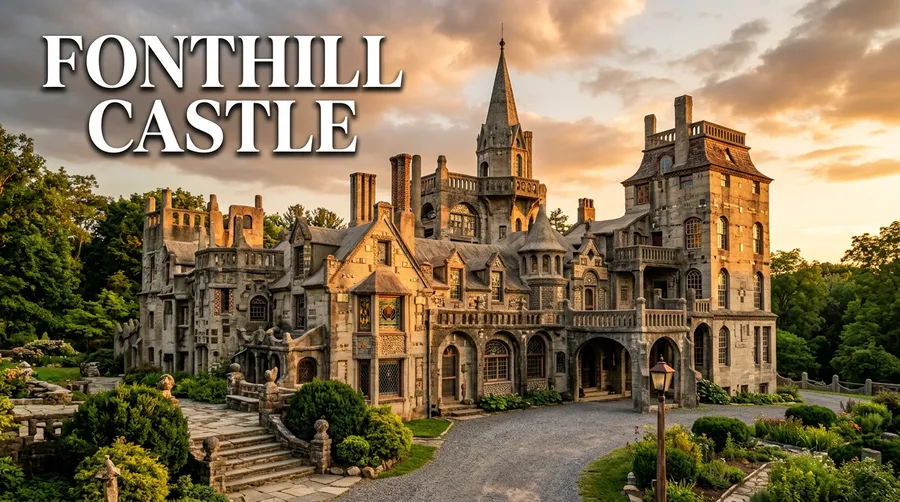
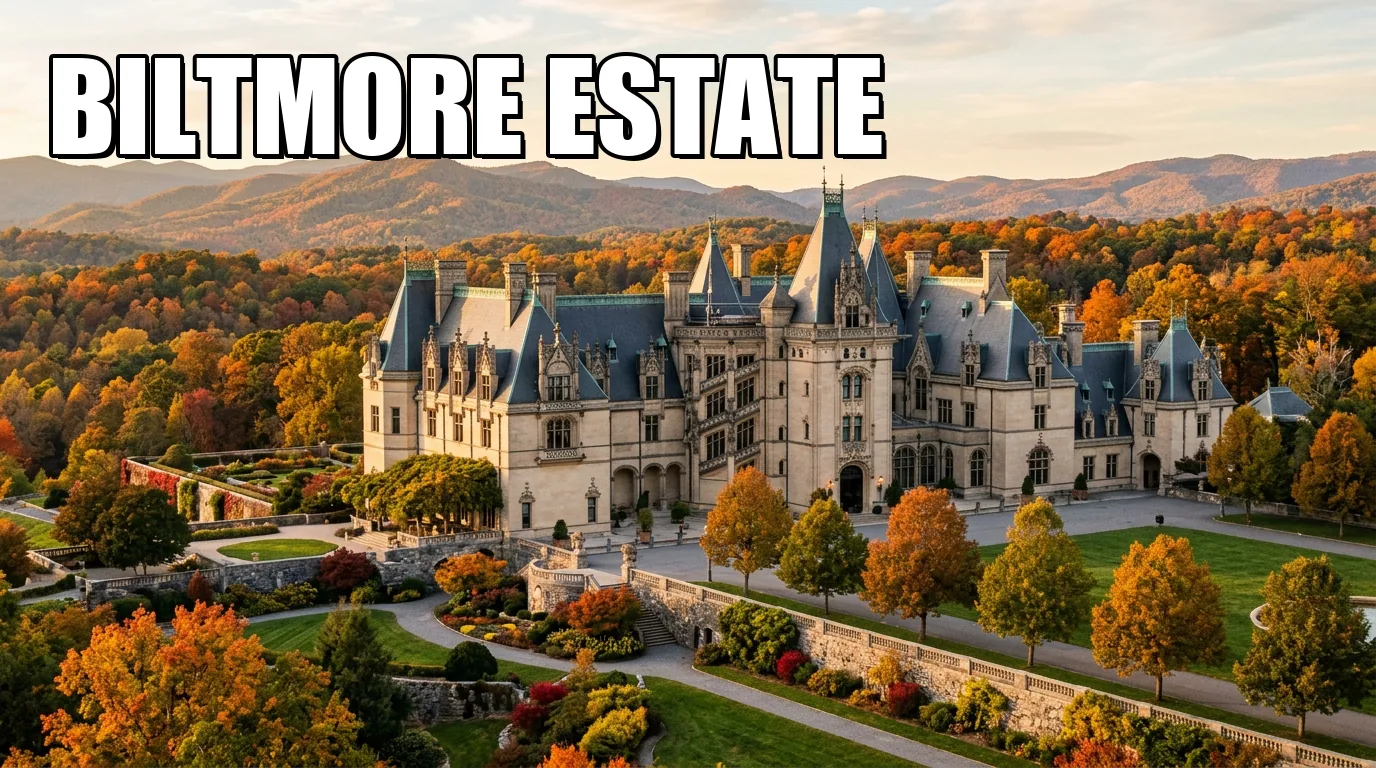
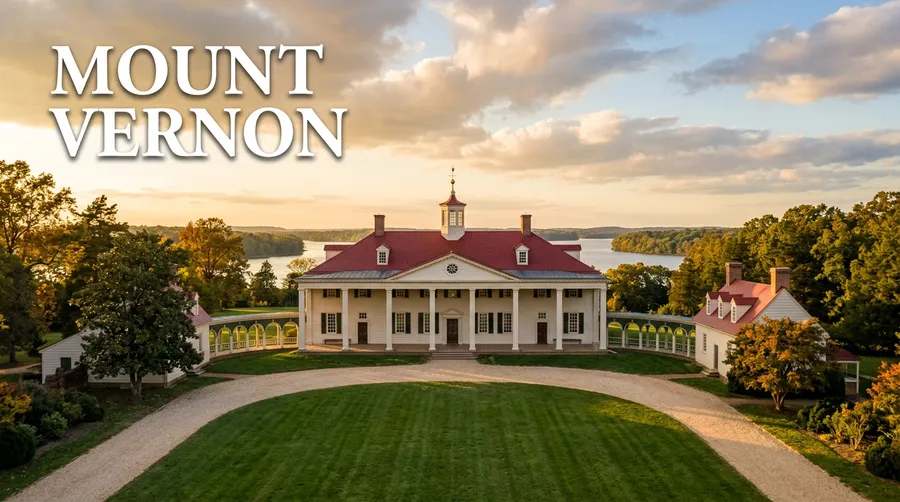
Start with the estates and mansion properties that still justify tickets, routing, and a real visit, not just a mood-board detour.
Key must-see sites include Independence Hall in Philadelphia, Mount Rushmore in South Dakota, and Alcatraz Island in San Francisco.
What are the must-see places in the USA?
Top destinations are the National Mall in Washington D.C., Colonial Williamsburg in Virginia, and Mesa Verde National Park in Colorado.
What are the top 10 historical places to visit in the world?
Globally, top picks include the Great Wall of China, Machu Picchu, Petra, the Pyramids of Giza, the Colosseum, Angkor Wat, Taj Mahal, Stonehenge, Acropolis, and York Minster.
Where to go in the USA for 7 days?
A 7-day itinerary can span Boston’s Freedom Trail, New York’s Ellis Island, Philadelphia’s Liberty Bell, Washington D.C.'s monuments, and Colonial Williamsburg.
Which U.S. city has the most historic sites?
Boston leads with over 300 sites on the National Register of Historic Places.
What U.S. city has the best history?
Charleston, South Carolina, is famed for its well-preserved antebellum architecture and Revolutionary War landmarks.
What is the best historical place to visit?
Independence Hall in Philadelphia is widely regarded as the single best historical attraction for its role in founding U.S. democracy.
What is the best state to visit for history?
Virginia offers Colonial Williamsburg, Jamestown, and Richmond’s Civil War sites, making it the richest history state.
What is the #1 tourist spot in the world?
Times Square in New York City remains the world’s most visited tourist destination.
Which city has the most interesting history?
New Orleans captivates with its French, Spanish, Creole, and American heritage evident in its architecture and customs.
When is the best time to visit historical sites in the USA?
Spring (April–June) and fall (September–October) offer mild weather and fewer crowds.
How much does it cost to visit national historic sites?
Most National Park Service historic sites charge $0–$30 per vehicle, with many free entry days each year.
Are there passes for visiting historical sites?
The America the Beautiful Pass covers entry fees at over 2,000 federal sites, including National Parks and Historic Sites.
What requirements are there for visiting national parks with historical sites?
Visitors need a valid pass or entry fee, vehicle reservation at some parks, and adherence to site-specific guidelines.
What are top tips for visiting crowded monuments?
Arrive early, book timed-entry tickets when available, and visit on weekdays outside of peak summer months.
Why This Page Exists
Maison builds place guides to help readers plan a real visit or understand a real site. When a page makes present-day access, booking, or visitor claims, those details are revised against public-facing source material and editorial review. For the wider standards behind that work, see methodology.
The Cornerstone Brief
One historic place, once a week — what it is, why it matters, whether it's worth going. No filler, no paid placements.
Coming soon. Unsubscribe any time.
We use cookies to enhance your experience. By continuing to visit this site you agree to our use of cookies.