Historic Mansions

Unseen Delta: A Post-Reconstruction Road Trip

Unseen Delta: A Post-Reconstruction Road Trip
Photo by David Thornton for Cornerstone Mansion · April 17, 2026

Find Nearby Hotels

Book Flights

The Mississippi Delta. The name alone conjures images of cotton fields stretching to the horizon, the mournful wail of a blues guitar, and a history as thick and fertile as the soil itself. But to truly understand this region, you must peel back layers, venturing beyond the well-trodden paths to confront the difficult, often overlooked, truths of its post-Reconstruction era. This isn’t a journey for the faint of heart or those seeking a sanitized version of history; it’s an immersive dive into the complex evolutions of sharecropping, Jim Crow segregation, early civil rights activism, and the sheer, unyielding spirit of grassroots cultural resistance. I’ve explored countless historic sites across the nation, yet the Delta’s power lies in its unassuming markers, its living history, and the way it forces you to connect dots that most guidebooks simply don't bother with. What truly defines this particular corner of the American South? It's the profound intertwining of economic shifts with social upheaval, where the mechanization of agriculture fundamentally reshaped lives even as the brutal hand of segregation sought to keep them in check. My goal here is to guide you through a seven-day expedition that reveals these intricate connections, offering practical advice and, crucially, pointing out what typical guides miss. Expect to engage with archives, sleep in heritage lodging that tells its own story, and eat food that speaks volumes about migration and resilience.

Greenwood: Where Cotton's Grip Defined Destiny

Our expedition into the Delta’s complicated past begins in Greenwood, a city once a central artery for the region's colossal cotton industry. You might expect a simple homage to agricultural heritage, but what you discover here is far more nuanced. The Museum of the Mississippi Delta offers a surprisingly comprehensive look at the tools that shaped this land—plows, mule hames, blacksmith instruments—but it’s the nearby Fort Pemberton reenactment that really brings the era's paradoxes into sharp focus. Here, the firing of an 1863 Lady Polk cannon during a Civil War sesquicentennial symposium isn't just about military history; it's a stark illustration of how emancipation, while freeing enslaved people, simultaneously unleashed a labor crisis that led directly to the oppressive sharecropping system and intensified the battle against the very river that nurtured the cotton. It’s a chilling reminder that freedom often came with unforeseen, devastating consequences for those it supposedly liberated. After immersing yourself in the physical remnants of agricultural practice, take time to visit the Delta Blues Museum Heritage Archive. While the name points to music, its real treasure for our purposes lies in the meticulously preserved sharecropper records. Here, the shift from human and animal labor to mechanical fields isn't an abstract concept; you can trace it through actual land contracts and ledger entries. This provides a grounding perspective, contrasting the romanticized narratives of the Delta with the stark economic realities faced by generations. When considering your evening, a hands-on class in turn-of-the-century Delta recipes at The Alluvians Viking Cooking School might seem anachronistic, but it offers a tactile connection to the domestic lives of the era. Later, staying at The Thompson House Inn, a 1902 Greek Revival gem, offers more than just a bed; it’s an opportunity to experience a slice of Art Deco-era Delta hospitality, hinting at the wealth that cotton cultivation generated for some, often at the expense of many.

Leland’s Tenant Shacks: The Unvarnished Truth of Sharecropping

Continuing our journey, the lasting imprint of sharecropping becomes vividly, almost uncomfortably, clear as we head to Leland. Many places might offer a museum exhibit, but Tallahatchie Flats gives you an undeniable physical connection to the past. These aren't just reconstructions; they are authentic 1940s tenant houses, carefully restored with period furnishings, allowing you to literally step inside the lives of sharecropper families. It forces a pause, making you consider the sheer resilience required to build a life in such meager conditions. While the experience is undeniably curated, you can't help but feel a profound sense of respect for the tenacity of those who lived within these thin walls, navigating complex land-use dynamics and cycles of debt. This immersion extends beyond simply walking through a restored home. A guided tour of the original shacks, coupled with displays of mule-drawn farming implements, grounds the experience in the physical labor that defined these lives. It’s important to remember that this "living history" isn't meant to romanticize; it's meant to humanize. To gain an even deeper, less idealized understanding, I strongly recommend a visit to the local land-contract archives, often housed in a courthouse annex in nearby Greenwood. Here, the cold, hard facts—the terms, the debts, the signatures—strip away any lingering sentimentality, revealing the systemic nature of economic subjugation. For dinner, Rosedale’s White Front Café, famed for its family-recipe Delta tamales crafted since the 1960s, serves up not just food, but a taste of enduring local culture. It’s a place where generations have gathered, much like the sharecroppers whose stories you're tracing. Spending the night at Tallahatchie Flats truly cements the experience; you’re not just visiting, you’re residing, however briefly, within a crucial chapter of American history.

Clarksdale: Where Blues and Civil Rights Converged

Moving into Clarksdale, the air feels different, charged with the intertwined narratives of cultural resistance and the burgeoning civil rights movement. This isn't merely a stop on the famed Mississippi Blues Trail; it’s a critical junction where music wasn't just entertainment but a profound expression of defiance and hope. Most guides will point you to the blues markers, but your first stop should be the Amzie Moore House museum. This unassuming residence was a clandestine meeting place for SNCC organizers like Bob Moses and Stokely Carmichael, and even Martin Luther King Jr., serving as a crucible for early voter-registration planning. It’s a testament to the fact that the fight for freedom often began in living rooms, not just grand halls. Consider your midday meal at Hopson Commissary, significant not just for its food but as one of the first desegregated eateries during the 1964 Poor People's Campaign. It reminds you that progress often came in small, hard-won victories. Only after internalizing these struggles should you then explore the Blues Trail markers, understanding that the music born here was deeply rooted in the oppression and resilience you’ve already observed. Checking into the Riverside Hotel offers another layer of insight; originally an Afro-American hospital, it transformed into a crucial safe haven for black artists under Jim Crow laws. Standing in Bessie Smith's shrine room or perusing the original musician guest registers, you sense the weight of history—a place of both refuge and painful necessity. Your evening must culminate at Reds Lounge. Founded by Minnie Mae Smith, this isn't a polished concert venue; it's a raw, authentic juke joint, where the delta blues, still vibrant, embodies the very essence of grassroots cultural defiance, reminding you that true art often flourishes in the most unexpected, unvarnished spaces. Be prepared for late nights and an unforgettable, visceral experience.

Mound Bayou & Cleveland: Black Self-Determination in a Hostile Land

How often do you hear about all-Black municipalities when discussing American history? Far too rarely, I’d wager. Our fourth day takes us to Cleveland and the truly extraordinary Mound Bayou, offering a powerful counter-narrative to the prevailing stories of oppression. In Cleveland, the Freedom Trail markers connect us directly to profound sacrifices: the Fannie Lou Hamer Gravesite speaks to civil rights martyrdom and her visionary land-cooperative dreams, while the Emmett Till marker at Bryant’s Grocery site remains a stark, haunting reminder of the lynching that galvanized a national movement. These are not easy places to visit, but their raw emotional power is essential to understanding the fight for justice. The subsequent drive to Mound Bayou, founded in 1887 by former slaves Isaiah Montgomery, feels like entering a different dimension. Here, Black citizens built a town from scratch, a beacon of self-determination and political agency in the face of overwhelming white supremacy. Visit the Dr. T.R.M. Howard Home, which served as a vital center for early NAACP voter-registration drives and, remarkably, a hospital for black doctors excluded from white facilities. This wasn't just a place to live; it was a sanctuary, a laboratory for Black excellence and self-sufficiency. Dining at a local co-op café, featuring hot tamales and delta gumbo, allows you to experience the flavor of community-driven enterprise. Your overnight stay at the Cotton House Hotel, a 1910s cotton merchant's building with period-restored suites, perhaps offers a contrast, a reminder of the broader economic forces at play, even in places built on such profound independence.

Greenville's Culinary Heritage: Tamales and Testaments

Few travel guides bother to unpack the significance of food beyond simple recommendations, but in the Delta, every dish tells a story. Greenville, our stop for the fifth day, is a festival epicenter, particularly famous for its Hot Tamale Festival. It's not just a celebration of a delicious food item; it's a testament to cultural synthesis. Participating in a workshop here illuminates the surprising history of tamales in the Delta, tracing their origins from Mound Builder traditions to the profound influences of post-Reconstruction migrant laborers, particularly Mexican railway workers who brought their culinary traditions to the region. It’s a vivid example of how culture, labor, and mobility intertwine, creating entirely new flavors and narratives. Afterward, a tasting tour along the Mississippi Culinary Trail unveils other regional specialties—slug burgers, catfish poboys, and Southern fried pickles. Each of these isn't just a snack; it's a reflection of the Delta’s multicultural labor history and the constant movement of people and ideas. This culinary exploration is far more profound than it first appears, serving as a delicious, tangible link to the region's diverse past. For your evening, a sunset riverbank picnic of a blues burger and comeback sauce offers a moment of quiet reflection, allowing the day’s discoveries to settle. Then, for a truly unique lodging experience, stay at the Shack Up Inn. Here, restored sharecropper cottages on a former cotton-row estate have been converted into lodging, preserving not just the structures but the very spirit of those who once toiled this land. It's quirky, authentic, and utterly unforgettable.

Vicksburg: Beyond the Siege, Economic Shifts on the River

Stepping away from the purely agricultural heart of the Delta, our sixth day brings us to Vicksburg, a city more commonly associated with its pivotal Civil War siege. While the Vicksburg National Military Park is undeniably important, our focus here will be on its post-1877 economic transformation. A guided tour emphasizing the effects of mechanization—the construction of levees, the dramatic shifts in river commerce—reveals how even a city defined by war adapted to the changing economic landscape of Reconstruction and beyond. It highlights the often-overlooked fact that the region’s economic engine, even after emancipation, continued to rely heavily on the river and the complex labor systems that evolved around it. Later, a visit to Melrose Plantation in Natchez provides a stark but crucial counterpoint. This antebellum estate demonstrates how the post-Reconstruction tenant system evolved directly out of the ashes of slavery, maintaining a form of economic control over Black labor, albeit under a new legal guise. It’s a sobering reminder of how entrenched systems of power adapted, rather than simply disappeared. Dinner at Walnut Hills jambalaya house, serving since 1920, beautifully illustrates the enduring culinary links between the Gulf Coast and the Delta. For your final night in this region, choose the historic Belmont 1857 mansion on River Road. This stay offers a glimpse into the late-19th-century Delta riverine aristocracy, allowing you to reflect on the vast disparities in wealth and power that defined the era, contrasting sharply with the sharecropper shacks you explored earlier.

Jackson: Archival Echoes and Civil Rights Memory

Our journey culminates in Jackson, the state capital, offering a chance to contextualize the Delta's specific struggles within the broader statewide narrative of civil rights and socio-economic evolution. Starting your morning at the Mississippi Department of Archives and History might sound dry, but it's where the real detective work happens. Researching land deeds, crop-lien case files, and Jim Crow legal transcripts for the period of 1877-1920 breathes life into the abstract concepts you've encountered. These documents are the raw, unfiltered evidence of the Delta’s socio-economic struggles, revealing the daily realities of an entire generation. It's a powerful experience to hold these fragments of the past in your hands. In the afternoon, the Mississippi Civil Rights Museum provides an essential, interactive synthesis. Here, the deeply personal Delta narratives you’ve explored—the stories of Fannie Lou Hamer, Medgar Evers, and Unita Blackwell—are skillfully woven into the larger fabric of the statewide movement. It’s a masterclass in how individual acts of courage, often born in isolated communities, coalesced into a force for national change. This museum doesn't shy away from the brutal truths, but it also celebrates the triumphs. Your departure dinner in Jackson’s Fondren District should be a reflective one: a fine-dining heritage menu that recreates turn-of-the-century Delta dishes, ideally paired with oral-history storytelling sessions. It’s a fitting end, allowing you to savor the resilience, the struggle, and the enduring spirit of a region that shaped, and continues to shape, America. This itinerary is more than a list of places; it's an invitation to engage deeply with a pivotal, often painful, chapter of American history. Be prepared for emotionally challenging moments, for quiet contemplation, and for profound insight. The Delta demands your attention, and in return, it offers an education unlike any other. Don't expect perfectly paved roads everywhere; this is rural Mississippi, and some of the most authentic experiences are found off the beaten path. Book your unique lodgings well in advance, especially during spring and fall, which offer the most pleasant weather and fewer crowds than the sweltering summer months. Be open, be present, and allow the stories of the Delta to reshape your understanding of American identity.

Timeless Trails: Your Essential Guide to U.S. Historical Journeys

Historical places worth visiting nearby?
Top U.S. sites include Castillo de San Marcos in St. Augustine, Florida; Cahokia Mounds near Collinsville, Illinois; and the historic town of Deadwood, South Dakota.
What is the best historical place to visit?
Washington, D.C.’s National Mall—with landmarks like the Lincoln Memorial, Washington Monument, and U.S. Capitol—is widely considered the premier U.S. historical destination.
What are the top 10 most historic places in the world?
According to recent rankings, they are the Eiffel Tower; Great Wall of China; Kremlin; Leaning Tower of Pisa; Pyramids of Giza; Sydney Opera House; Statue of Liberty; Taj Mahal; Easter Island Moai; and Machu Picchu.
What is the most famous landmark in Rhode Island?
Fort Adams State Park in Newport—home to the 1799 coastal fort overlooking Narragansett Bay—is Rhode Island’s most iconic historic landmark.
Where to take someone who loves history?
Virginia’s Historic Triangle—Colonial Williamsburg, Historic Jamestowne, and Yorktown—offers immersive Revolutionary-era sites and living-history experiences.
When is the best time of year to visit U.S. historical sites?
Spring (April–June) and fall (September–November) offer mild weather and fewer crowds for most U.S. historic destinations.
What are the requirements to visit National Monuments?
Most U.S. National Monuments have free public access, though some require timed-entry passes or permits via the National Park Service website.
What tips should I follow when visiting historical landmarks?
Arrive early, wear comfortable shoes, book guided tours in advance, and check each site’s seasonal hours online.
How can I find historical sites near me?
Use the National Park Service’s online map or filter “historic sites” in Google Maps to locate nearby landmarks and museums.
Are there guided historical tours available in the U.S.?
Yes; many cities offer National Park Service ranger programs, private guided tours, and coach excursions through companies like Entegra Coach.
Can I visit U.S. historical sites for free?
Yes; most outdoor monuments and National Mall sites are free, though some house-museum tours may charge admission.
What accessibility options exist at U.S. historical sites?
Many sites offer wheelchair ramps, audio-description guides, braille signage, and accessible restrooms—check individual site details online.
How long should I plan to spend at Washington, D.C.’s National Mall?
Allocate at least half a day to see major memorials; a full day allows museum visits along the Mall as well.
Are pets allowed at U.S. historic sites?
Pets on leash are generally allowed on outdoor grounds but are prohibited inside most historic buildings.
What are the must-see Gilded Age mansions in the U.S.?
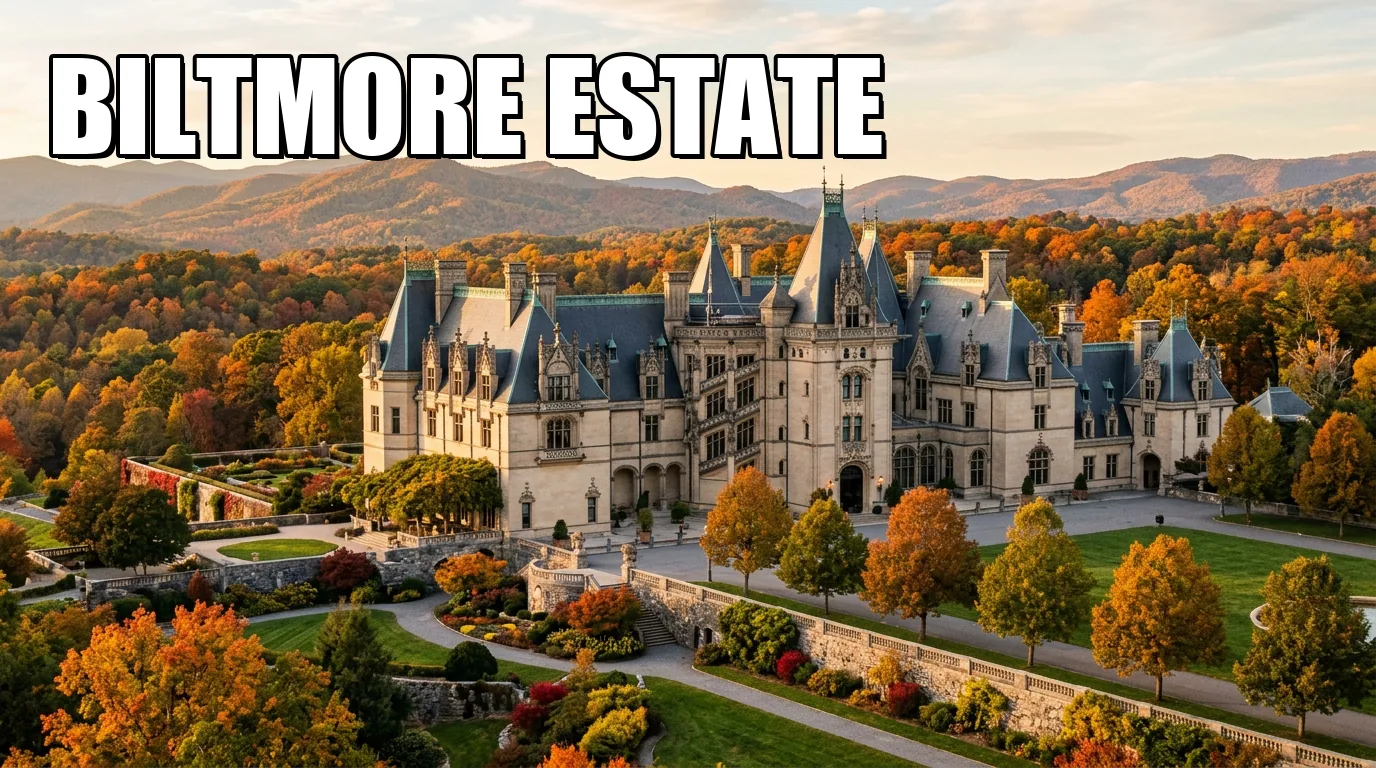
Don’t miss The Breakers in Newport, Rhode Island; the Biltmore Estate in Asheville, North Carolina; and the Vanderbilt Mansion in Hyde Park, New York.