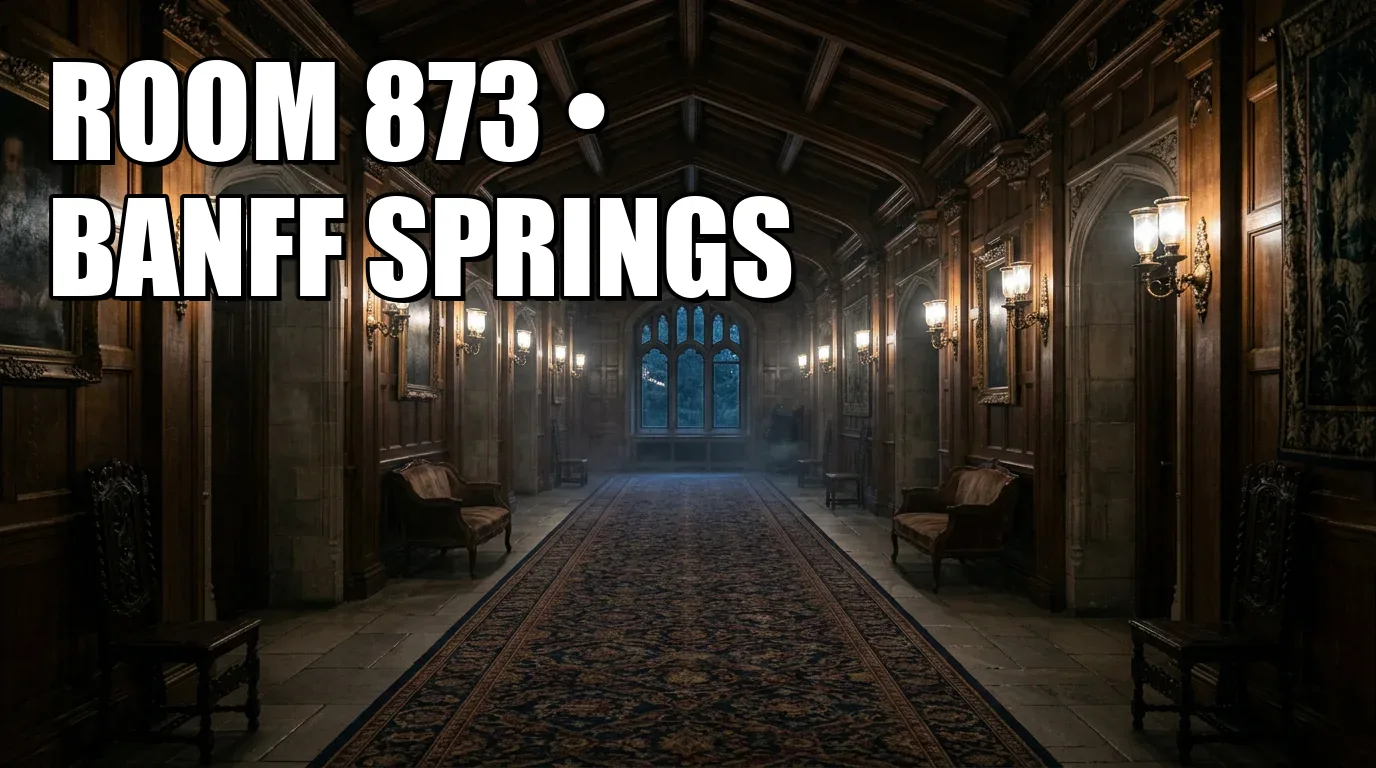
Banff gets flattened too easily. On a hotel map, the whole place can look like one neat resort town with one famous castle hotel hovering above it. In practice, the night can belong to three completely different Banffs. One is Banff Springs first: the stone-and-turret drama, the bars, the long hallways, the sense that the hotel itself is part of the destination and not merely a room key attached to it. Another is Banff town first: Banff Avenue, easier evening movement, faster walk-out access to dinner and shops, and a trip where the town rather than one hotel keeps doing the emotional work after dark. The third is a broader Rockies route, where Banff matters, maybe a lot, but the room still has to answer to a bigger mountain itinerary.
This planner exists because those are not tiny variations of the same vacation. They produce different first nights, different budgets, different tolerances for transfer effort, and different ideas of what the trip is supposed to feel like once the daylight views are over. Official Banff and Fairmont materials make that plain without trying to. Banff & Lake Louise Tourism keeps emphasizing how easy the town is to use as a base, even without a car, while Fairmont Banff Springs presents itself as a full destination hotel with multiple room categories, resort-scale amenities, and a history that is inseparable from the town's own mythology. If you do not decide which of those forces should lead the trip, the booking engine makes the decision for you, usually in the blandest possible way.
The fast read: if the dream is to feel the castle hotel after dark, stop pretending Banff Springs is just another room choice and let it carry the trip. If the dream is a more flexible Banff weekend where the town itself should stay central, bias toward a Banff base that keeps Banff Avenue and evening walkability stronger. If the arrival pattern and the Calgary transfer still matter more than the room, settle the Calgary arrival page before you compare rates. For the strongest named-hotel read first, open the Banff Springs Room 873 guide.
The Three Banffs People Keep Collapsing Into One
| Trip shape | What the weekend feels like | What the stay should do |
|---|---|---|
| Banff Springs first | The hotel is part of the point. The building, the bars, the historic theater, and the idea of waking up inside that property all matter. | Let the castle hotel own the overnight instead of forcing it to act like a neutral Banff room. |
| Banff town first | The trip wants Banff itself to stay legible at night, with easier dinner, strolling, and a less self-contained feel. | Keep the town underfoot and make the hotel support the weekend rather than dominate it. |
| Broader Rockies route | Banff is one major stop inside a larger Alberta or mountain corridor. | Stay honestly for the route, even if that means the famous hotel becomes a visit or one-night splurge instead of the whole answer. |
When Banff Springs Deserves to Carry the Whole Stay
Banff Springs deserves the overnight when the trip feels weaker without it. That is the clearest rule. If the image that keeps pulling you back is not just a mountain town but that hotel, if the long corridors and old-railway-hotel scale are part of why the destination feels special, or if you want the night and the morning inside the property rather than only one photo stop outside it, then Banff Springs should stop being treated like a generic luxury option. Fairmont's own material supports this reading. The hotel is not sold as one interchangeable room block. It is sold as a resort-scale historic property with multiple room categories, suites, Fairmont Gold, dining, and enough internal gravity to become its own version of Banff.
This is exactly why the rate can make sense for some trips and look absurd for others. The hotel pays off most when the property itself continues narrating the weekend after sightseeing hours are over. If you are only half interested in that, the most famous room in town can become the easiest way to overpay for somebody else's fantasy.
What Banff Springs Gives Back That Town Hotels Do Not
It gives back atmosphere at scale. Some travelers genuinely want the sense that the hotel is one of the destination's main attractions, not because they are naive about branding, but because the building really does alter the emotional temperature of the trip. Banff Springs works best for that kind of traveler. It suits celebratory weekends, one big mountain splurge, couples who want the property to be part of the evening and not just the sleep base, and readers who want the town and the hotel to feel ceremonial rather than merely practical.
It also gives back continuity. Once you are inside, the weekend does not have to keep reintroducing itself. That matters more than people admit. The good version of Banff Springs is not simply “nice room, nice view.” It is that the hotel itself keeps the destination alive between the major daytime stops.
When a Banff Town Base Is the Better Answer
Banff town wins when the weekend wants more of the town than of one property. Official tourism guidance leans heavily into the walkable center, the fact that many visitors do not need a car once there, and the ease of building days around town, shuttles, local transit, and day excursions. That makes town-first stays stronger than many hotel roundups suggest. If your ideal evening is less “return to the castle” and more “walk out, eat, stroll, and keep Banff feeling shared rather than sealed,” then the town base is often the more honest answer.
This is especially true for travelers who want flexibility, repeat visitors who no longer need the hotel itself to carry the romance, and readers who are more excited by the national-park setting and the town rhythm than by one grand property. The mistake is assuming that choosing town means settling. In the right trip, it means protecting the parts of Banff you will actually use.
The Broad Rockies Route Changes the Math
Some Banff trips are not really Banff stays. They are wider Rockies trips that happen to include Banff. In that version of the route, the room has a different job. It may need to support Lake Louise days, Jasper-adjacent ambitions, or a multi-stop Alberta pattern that would make a full castle-hotel commitment feel oddly overfocused. That does not make Banff Springs wrong. It simply means you should be deliberate about whether the property deserves the role you are imagining for it.
The broader the itinerary, the more important honesty becomes. A route-first traveler can still love Banff Springs, but often as one named stop, one drink, one visit, or one-night highlight instead of the base that dominates every evening. Planning gets easier the moment you admit which of those versions you are actually buying.
The Hidden Question: Do You Want a Hotel Night or a Mountain-Town Night?
This is the real decision under all the brand names and booking tabs. A hotel night in Banff means the property continues the experience. The lobby, bars, views, and the return to the room are part of what you paid to feel. A mountain-town night means the town remains the central stage and the room should not compete with it too aggressively. Neither answer is more sophisticated. One is simply more accurate for the trip you want.
If you keep dodging that distinction, Banff can get expensive and fuzzy very quickly. Once you face it, the right hotel type usually becomes obvious.
What a Car-Free Banff Weekend Does to the Stay Decision
Official Banff visitor guidance makes a useful point that many mountain destinations cannot: you can do a meaningful Banff trip without making the car the hero. That strengthens the case for town-first planning, because a walkable or shuttle-friendly weekend becomes easier to imagine once the airport transfer is solved. It does not kill the Banff Springs answer, but it does make the town answer more competitive. If your ideal Banff is less about driving loops and more about arriving, settling, and moving through the place more lightly, the sleep base should support that.
How Long the Stay Changes the Right Answer
One night: choose the thing you most want to remember. If that is Banff Springs, let it be Banff Springs. If it is Banff town energy and a looser dinner-and-stroll rhythm, bias into town and stop apologizing for not choosing the castle.
Two nights: this is the sweet spot for both versions. Two nights is enough for the hotel to matter and enough for Banff itself to matter, which is why being clear about the trip shape matters so much.
Three nights or more: the town and the wider route both gain strength. The longer the stay, the more you should ask whether one property should really own every night.
The Best Reading Order for This Cluster
| If you are trying to solve... | Read this next | Why |
|---|---|---|
| "Is Banff Springs actually worth booking, not just visiting?" | Banff Springs Room 873 | That page anchors the hotel in current Fairmont reality instead of recycled haunted-list folklore. |
| "I still have not solved the Calgary transfer or first night." | Flights to Calgary for Banff and Banff Springs Stays | That page sorts whether the landing should collapse straight into Banff or widen into a broader Alberta pattern. |
| "I want another mountain property benchmark." | Estes Park Stanley Hotel Stay Planner | It is a useful sibling because both pages are really about whether one iconic hotel deserves to carry the whole trip. |
The First-Night Test
If the ideal first night is already a Banff Springs night, with the property itself confirming the trip before you even think about tomorrow, then stop resisting the hotel-first answer. If the ideal first night is a freer Banff town evening with less ceremony and more mobility, then town is probably right. If the ideal first night only needs to position you for a larger route, then be honest that the trip is bigger than Banff alone.
Bottom Line
The best Banff stay is not the most famous hotel by default or the most central room by habit. It is the stay that matches what the mountain weekend is actually supposed to feel like once the daylight views are done. If the trip wants a destination hotel, let Banff Springs do that job fully. If it wants Banff itself to keep the night alive, book for town and protect the flexibility. Once that choice is clear, the booking map stops looking like interchangeable mountain inventory and starts sounding like a trip worth taking.