
Stepping onto Wall Street, the soaring spires of Trinity Church immediately command attention, a dramatic counterpoint to the sleek glass towers that now define Lower Manhattan. This isn't just another church; it's a testament to the enduring power of Gothic Revival architecture, a style that surged in popularity during the 19th century as a romanticized return to medieval craftsmanship and spiritual grandeur. Completed in 1846, this grand edifice, designed by Richard Upjohn, actually stood as the tallest building in the entire United States for twenty-three years – a fact often overshadowed by New York's later skyscraper obsession. It makes you wonder how a cityscape, now synonymous with verticality, once defined its skyline with a sacred structure.
Northeastern Victorian Architecture: An Expert's Guide
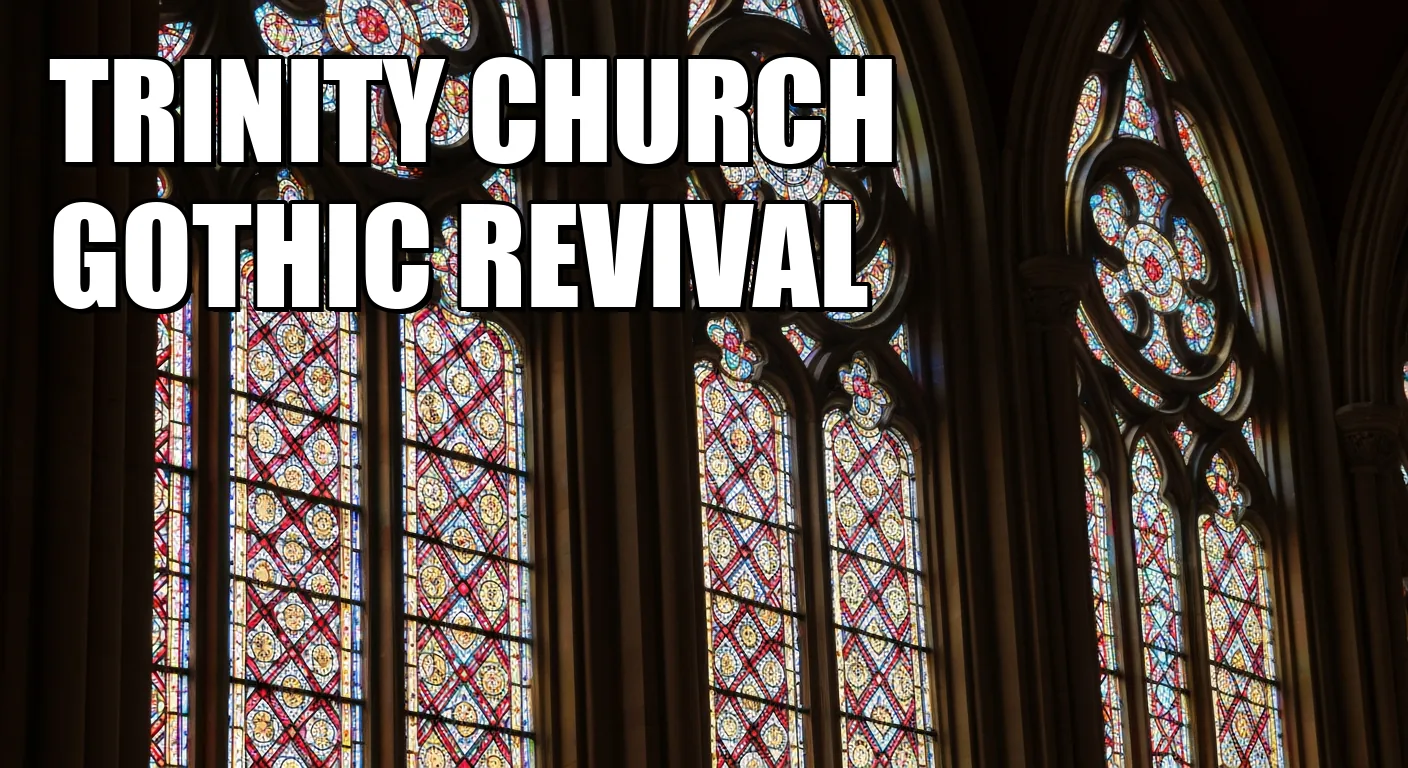
Where 19th-Century Spires Still Pierce Manhattan's Modern Skyline
The church’s meticulous Perpendicular Gothic details, drawn directly from 14th-century English parish churches, are truly a marvel. Look closely at the rich red sandstone and the intricate stonework; it's a profound statement of permanence in a city constantly reinventing itself. Trinity's very existence, replacing an earlier structure lost to the Great Fire of 1776, speaks to its resilience, a quality it dramatically demonstrated again during the harrowing events of September 11, 2001, when it served as a vital sanctuary. Visiting today is less about a formal tour and more about experiencing a living piece of history. While an augmented reality (AR) experience is offered, and it's certainly a novel approach, I found that simply sitting in the pews, absorbing the quiet reverence, or tracing the lines of the stunning stained glass windows offered a far more profound connection than any digital overlay could.
You can drop in any day between 8:00 am and 6:00 pm. There’s a reasonable $10 admission for adults, with the usual discounts, but honestly, the biggest "hack" here is to arrive early on a weekday morning. The crowds are minimal, and you get to appreciate the scale and tranquility without feeling rushed. It's a rare moment of peace amidst the financial district's relentless pulse.
Brookline's Queen Anne Jewel: A Glimpse, Not a Tour
Journeying north to Brookline, Massachusetts, we encounter a decidedly different flavor of Victorian ambition: the Edward Stanwood House. This 1879-1880 residence, a Queen Anne masterpiece by Clarence Sumner Luce, practically shouts its exuberant style from the rooftops – literally. The Queen Anne style, popular in the late 19th century, moved away from the more rigid classical forms, embracing asymmetry, diverse textures, and a playful complexity. Stanwood’s house perfectly embodies this, a veritable architectural collage of brick, rusticated granite, terra cotta, slate, and fish-scale shingles. It’s a riot of materials, each vying for attention, and it makes you realize that "Victorian" was never a singular, monolithic style.
Edward Stanwood, a prominent journalist for the *Boston Daily Advertiser*, clearly wanted his home to reflect his intellectual and social standing. The house famously earned him the moniker "the man whose house was covered with sunflowers and devils" – an anecdote that perfectly captures the whimsical, sometimes even grotesque, ornamentation that defined this period. You'll spot elaborate carved wooden panels, those notorious gargoyles, and sunflower motifs throughout. It's an absolute feast for the eyes, particularly with its well-preserved exterior paint scheme, which cleverly highlights every decorative flourish. The catch, and it's a significant one for travelers: this remains a private residence. Don't expect to wander through its Thomas Dewing-designed interiors.
So, how does one "visit" a private home? Respectfully, from the street. A slow drive or walk past 339 High Street offers ample opportunity to appreciate the exterior’s incredible detail. There’s something intriguing, perhaps even a little frustrating, about knowing such a treasure exists behind closed doors. It forces you to focus purely on the architectural facade, scrutinizing every shingle and carving, rather than being distracted by the interior narrative. This is a stop for the true architectural enthusiast, not the casual sightseer looking for an open-house experience.
Providence's Second Empire Survivor: A Curved Corner and Civil War Echoes
Our architectural pilgrimage next leads to Providence, Rhode Island, and the Ambrose Burnside House. Completed in 1867, this city mansion is a prime example of the Second Empire style, a French-inspired aesthetic characterized by its mansard roof and ornate, often classical, detailing. Architect Alfred Stone masterfully tackled a challenging trapezoid-shaped lot on a steep slope, creating an exceptional curved corner design with a distinctive rounded bay. It's a clever solution that not only maximizes space but also adds a flowing elegance to the brick facade, a departure from the more common rectilinear forms of the era.
General Ambrose Burnside himself was a fascinating figure – a Union general, Rhode Island governor, and U.S. Senator, though perhaps most famously remembered for his distinctive facial hair that gave us the term "sideburns." The house, once described as "one of the most modern residences" in Providence, speaks to his stature. While the pressed-brick walls and Nova Scotia stone accents offer a stately presence, it's the concave slate mansard roof, with its elaborate patterning, that truly defines its Second Empire grandeur. Later additions, like a Queen Anne oriel window, show how architectural styles blended and evolved over time, adding layers to the building's story.
Like the Stanwood House, the Burnside House is not open for interior tours. It's a private building, visible from 314 Benefit Street. Parking can be a bit tricky on this historic, hilly street, so plan to park a block or two away and enjoy a short walk. This exterior-only viewing might seem less exciting than a full tour, but it highlights an important aspect of architectural exploration: many significant structures aren't museums, but rather active parts of a city's fabric. You engage with them as a piece of urban art, appreciating their form, their response to context, and the history they silently embody. The best time to appreciate its unique curved lines is during the late afternoon, when the sun casts dramatic shadows across its intricate brickwork.
The Lockwood-Mathews Mansion: A Million-Dollar Dream, a Tragic Fall
Crossing into Norwalk, Connecticut, we encounter a different scale of Victorian ambition with the Lockwood-Mathews Mansion. This 1864-1868 estate isn't just a house; it's a sprawling 44,000-square-foot Second Empire palace, a testament to the staggering wealth and sometimes hubris of the Gilded Age. LeGrand Lockwood, a railroad baron and banker, spared no expense, sinking what would be the equivalent of tens of millions of dollars into its construction. What makes this mansion truly exceptional, beyond its imposing exterior of overhanging eaves and rectangular towers, is its interior.
Prepare to be awestruck by the extraordinary octagonal rotunda, soaring 42 feet to a double skylight. The sheer craftsmanship is breathtaking: walnut paneling, geometrical parquetry flooring in various woods, and an elaborate double staircase with carved newel posts that display figures holding lamps. Firms like Herter Brothers and Leon Marcotte, titans of 19th-century interior design, decorated these opulent spaces. An enormous mural by Alfred Bierstadt, a prominent American landscape painter, once graced the octagon. The mansion’s story, however, is a poignant one. Lockwood's financial reversals and untimely death led to foreclosure, with the estate selling for a mere fraction of its original cost. It’s a stark reminder that even the most extravagant dreams can collapse, but what remains is an unparalleled window into an era of excess and artistry.
The mansion operates as a museum Wednesday through Sunday, with both 45-minute and 90-minute tour options. I implore you: spring for the 90-minute tour (currently $35 for adults, compared to $20 for the shorter version). It allows you to delve deeper into the stories, appreciate the intricate details, and truly absorb the atmosphere without feeling rushed. Advance ticket purchase via Eventbrite is highly recommended, especially for weekend visits, as tour sizes are limited. Expect to spend at least two hours here, including time to browse the gift shop, which often features unique, historically inspired items.
Victoria Mansion: Portland's Unparalleled Italianate Time Capsule
Finally, we arrive in Portland, Maine, home to the Victoria Mansion, an architectural marvel that often gets overlooked in guides favoring grander, more famous estates. This 1858-1860 Italianate villa, built for hotelier Ruggles Sylvester Morse, stands as one of the finest pre-Civil War residential designs in America. Its distinctive asymmetric form, featuring a four-story tower, deep overhanging eaves, and ornate verandas, creates a picturesque silhouette that feels both grand and inviting. The Italianate style, inspired by Renaissance villas, became popular for its romantic appeal and suitability for suburban and country residences.
What truly sets Victoria Mansion apart from nearly every other historic home in the U.S. is its virtually unparalleled preservation. Approximately 97 percent of its original contents remain intact. This isn't just a collection of period furniture; it's a complete vision, Gustave Herter’s only completely intact commission. His interior design—from the richly carved woodwork to the elaborate frescoes and gilded moldings—is a masterclass in mid-19th-century luxury. Don't miss the trompe l'oeil wall decorations by Giuseppe Guidicini, one of the last surviving examples of his work. The Turkish smoking room, an early example of Islamic architectural influence in the U.S., is a particular highlight, offering a fascinating glimpse into the era's eclectic tastes.
The mansion is open seasonally from May 1 to October 31, and then for a special holiday season from Thanksgiving through early January. All visits are docent-guided, which is fantastic because the guides are typically incredibly knowledgeable and passionate. Admission is $19.25 for adults, with various discounts available. Critically, advance reservations are strongly recommended, as group sizes are limited, especially during the peak summer months and the enchanting holiday season when the mansion is bedecked in period decorations. For a more intimate experience, consider visiting in early May or late October when the crowds are thinner, and the atmosphere feels particularly serene. It’s a place that transcends simple architectural appreciation, offering a genuine step back in time.
Essential Guide to Northeastern Victorian Architecture: Questions & Answers
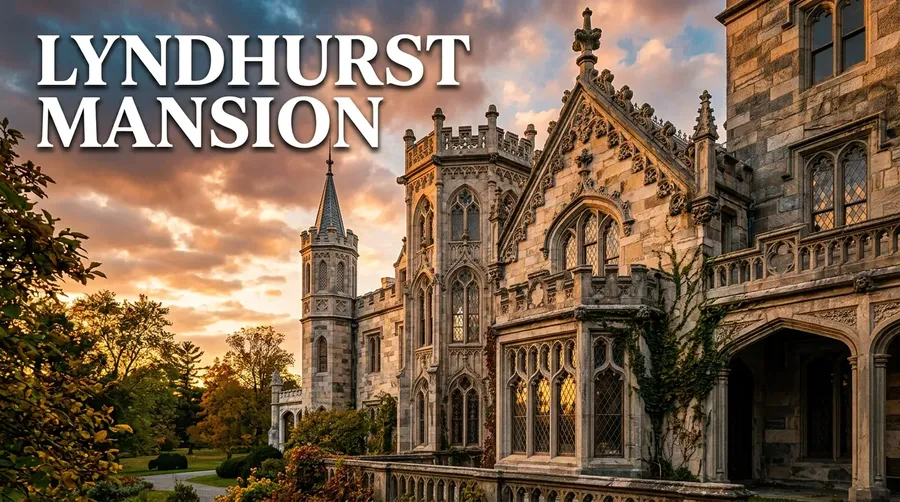
Gothic Revival Architecture: What the Street Can—and Cannot—Tell You
A three-level field test separates visible Gothic Revival evidence from a style hypothesis and the dates, authorship or alterations that require records.

Greek Revival Without Columns: A Confidence Test
Greek Revival can survive without a portico. Use roofline, entablature, entrance, wall plane, date and later alterations to state confidence.
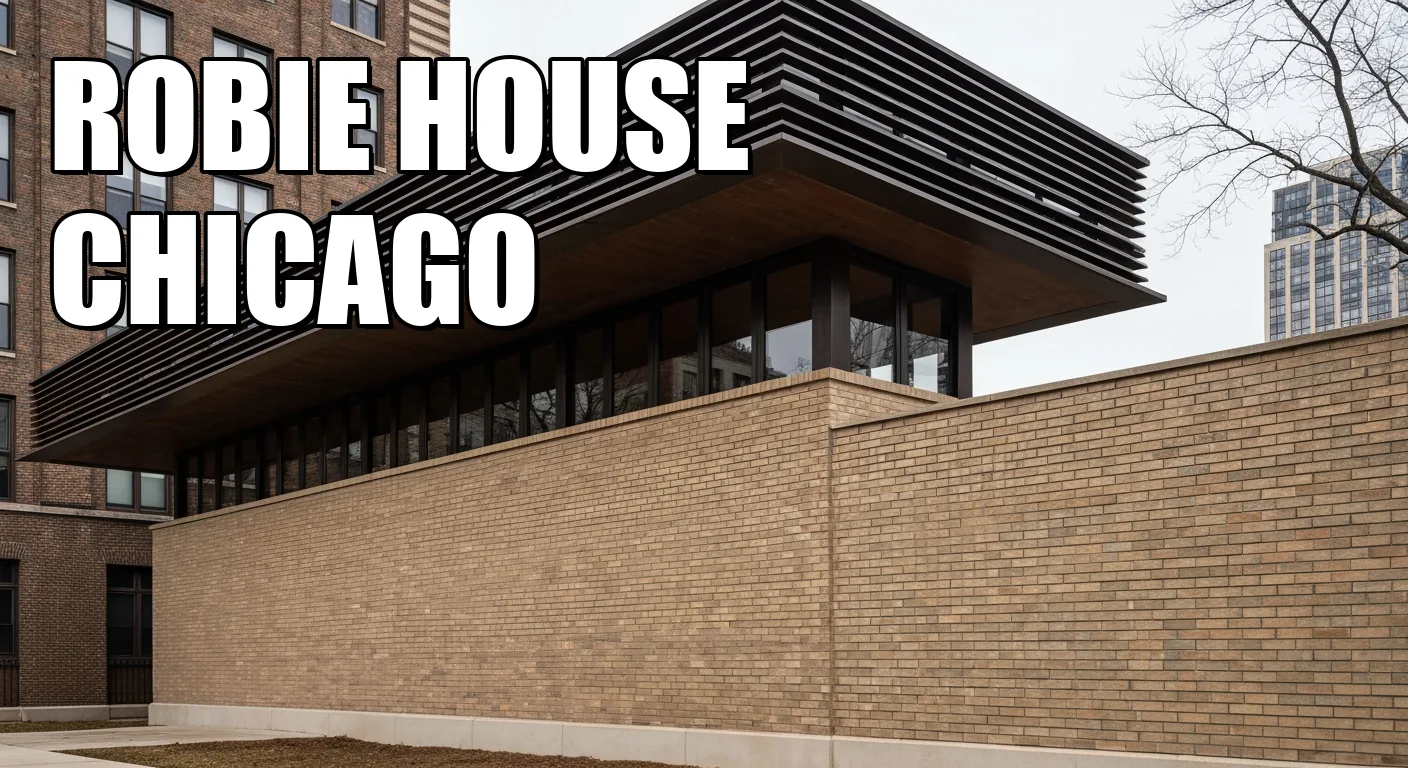
Prairie Style Architecture: How to Spot the Style in American Houses
A practical guide to Prairie Style architecture in the United States, with the roof, window, massing, and site cues readers should compare from the street.