Presidential estates and public houses
These pages work because the home itself is already a landmark with a clear visitor frame.

Place-first guides to presidential estates, literary landmarks, and private celebrity homes that still matter on the ground.
Where the famous actually lived — what stands, what's private, and what you can visit. Pair any home with a stay via the trip planner, or browse everything on the map.
One writer checks into the rooms with the stories — Stanley 217, Banff Springs 873, the Del's 3327 — and reports what the night is actually like.
A good famous-home page does more than repeat a biography. It identifies the property, explains why it matters, and tells the reader what still survives or can still be visited.
The strongest pages here tie a person to one real place: an estate, a preserved home, a neighborhood landmark, or a public site that still carries the story.
Read This Hub Like an Editor
These pages work because the home itself is already a landmark with a clear visitor frame.
Use these when the reader is chasing a writer, thinker, or public figure through the place that still preserves the story best.
These pages perform better when they stay grounded in the house, the neighborhood, and the surviving estate rather than drifting into celebrity myth.
Track preserved homes, estates, and place-based biographies tied to real addresses and public sites.
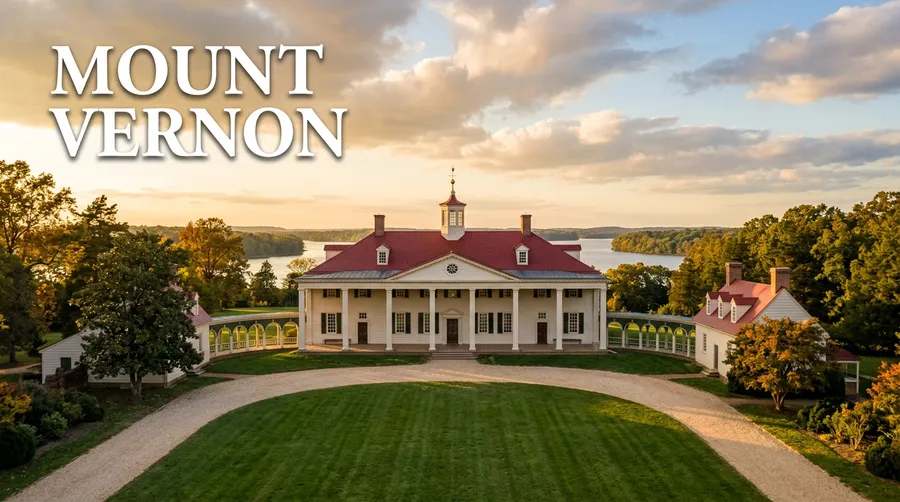
A first-timer’s Mount Vernon guide covering timed mansion entry, how long to budget, what is included beyond the house, and how the estate now frames slavery as central history.
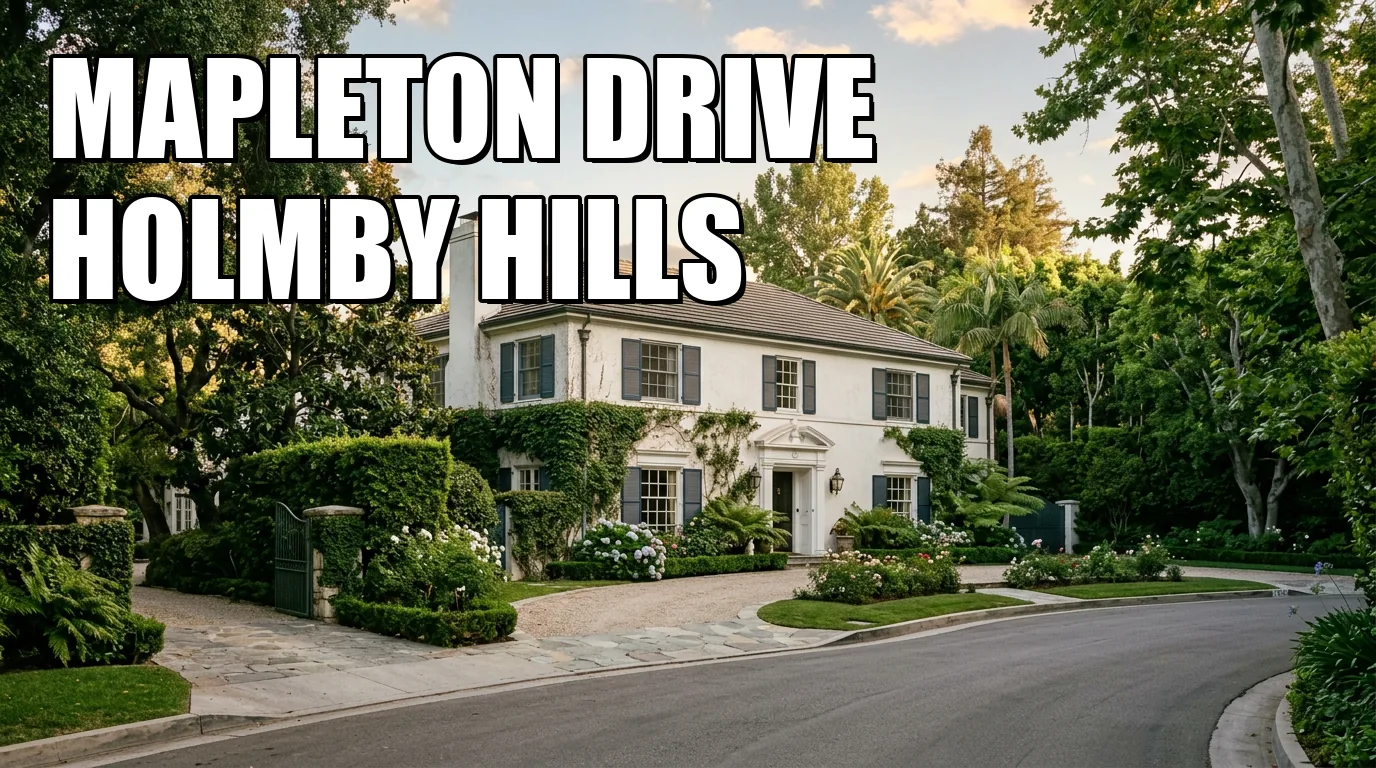
Most Bogart addresses in Los Angeles are private residential properties. Here is which stops are publicly accessible, what each address documents, and how to frame the trip.
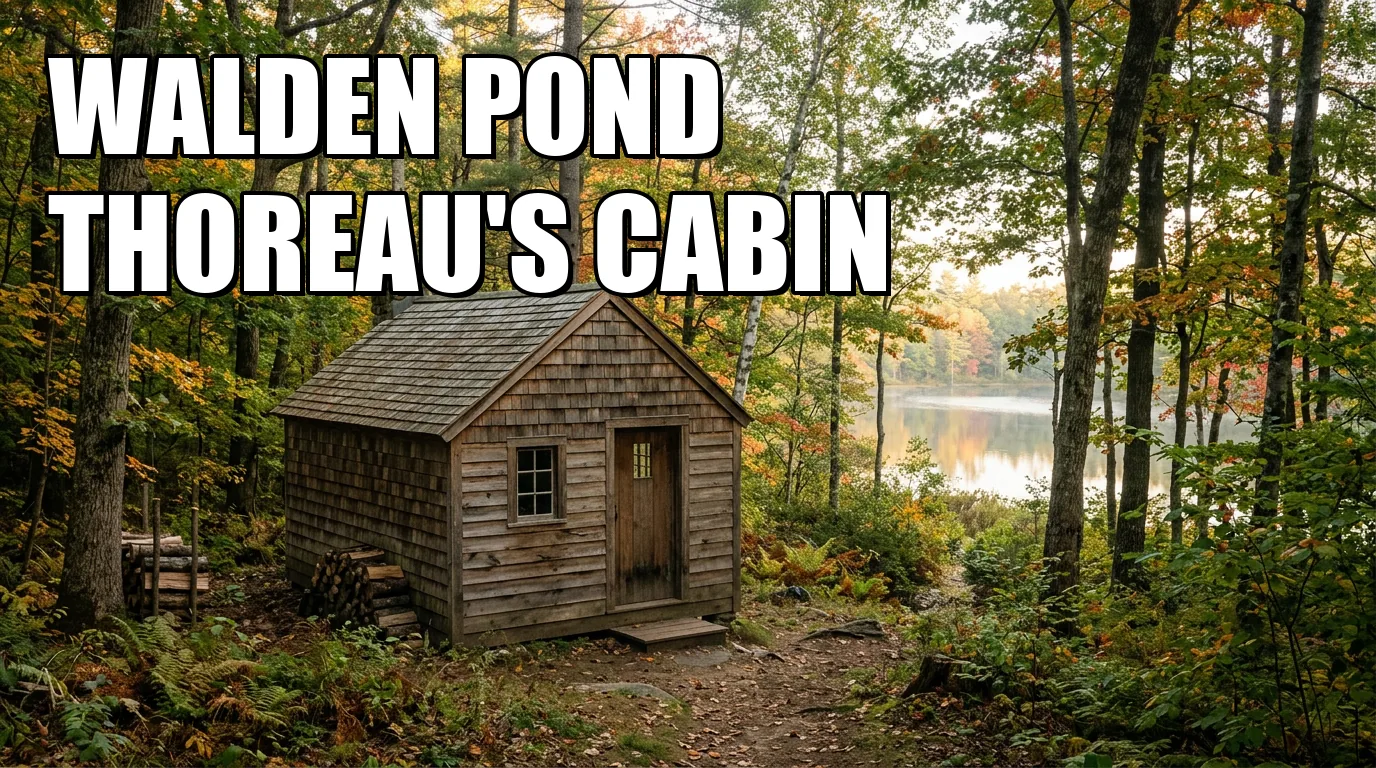
The cabin near the lot is a replica; the documented site is a half-mile away. A field guide to scale, archaeological location, landscape change, and access.

A practical Truman Little White House guide covering the tour shape, Front Street entrance, Truman Annex parking reality, and why the stop works inside a history-shaped Key West trip.
The archive below gets more granular: one preserved house, one neighborhood address, or one biographical site at a time. Start above if you still need the place-first frame.

Monticello is not just a house tour. Here is how the ticketed tours differ, what Mulberry Row adds, and why the slavery interpretation is central to understanding Jefferson’s estate.
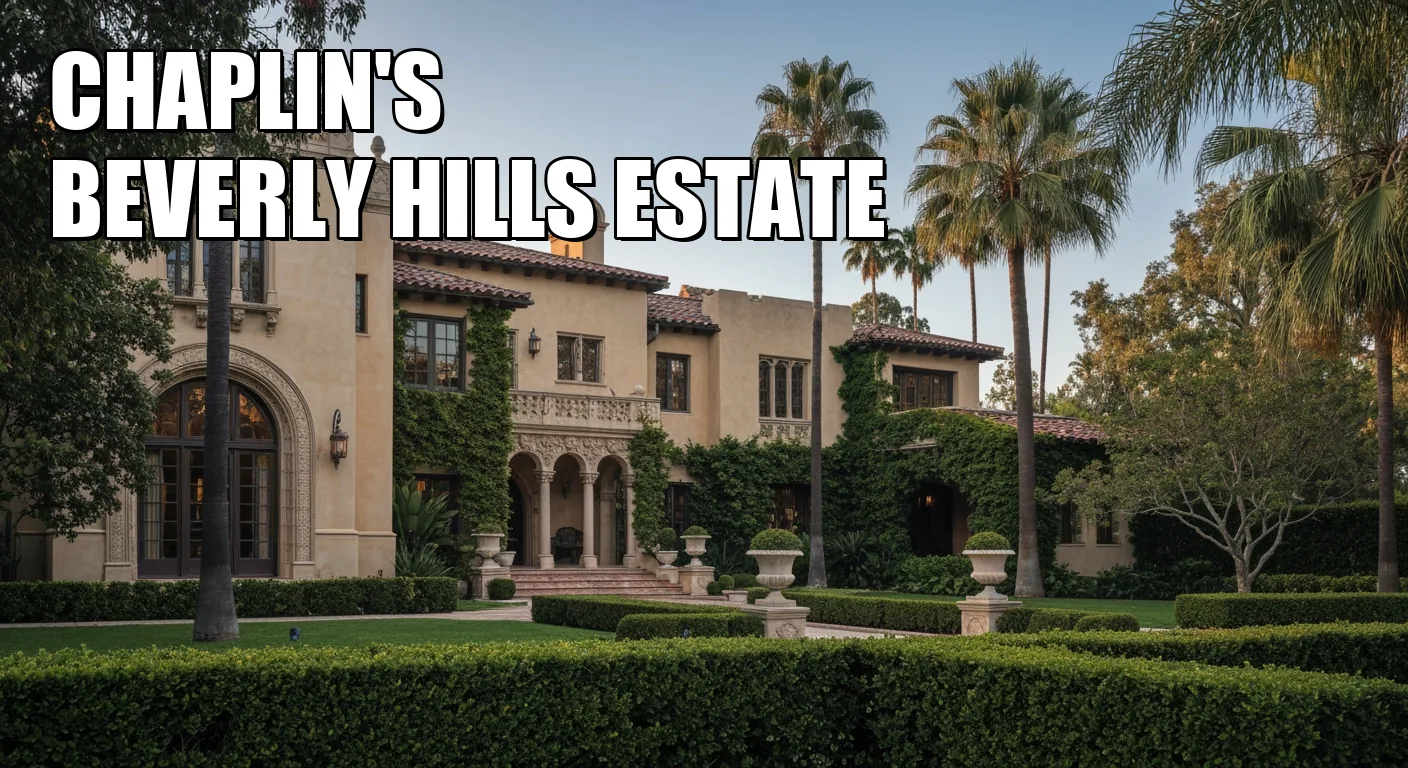
A place-first Chaplin guide covering the Los Angeles houses tied to him, what still survives, and which addresses belong in a respectful drive-by category rather than a tour stop.
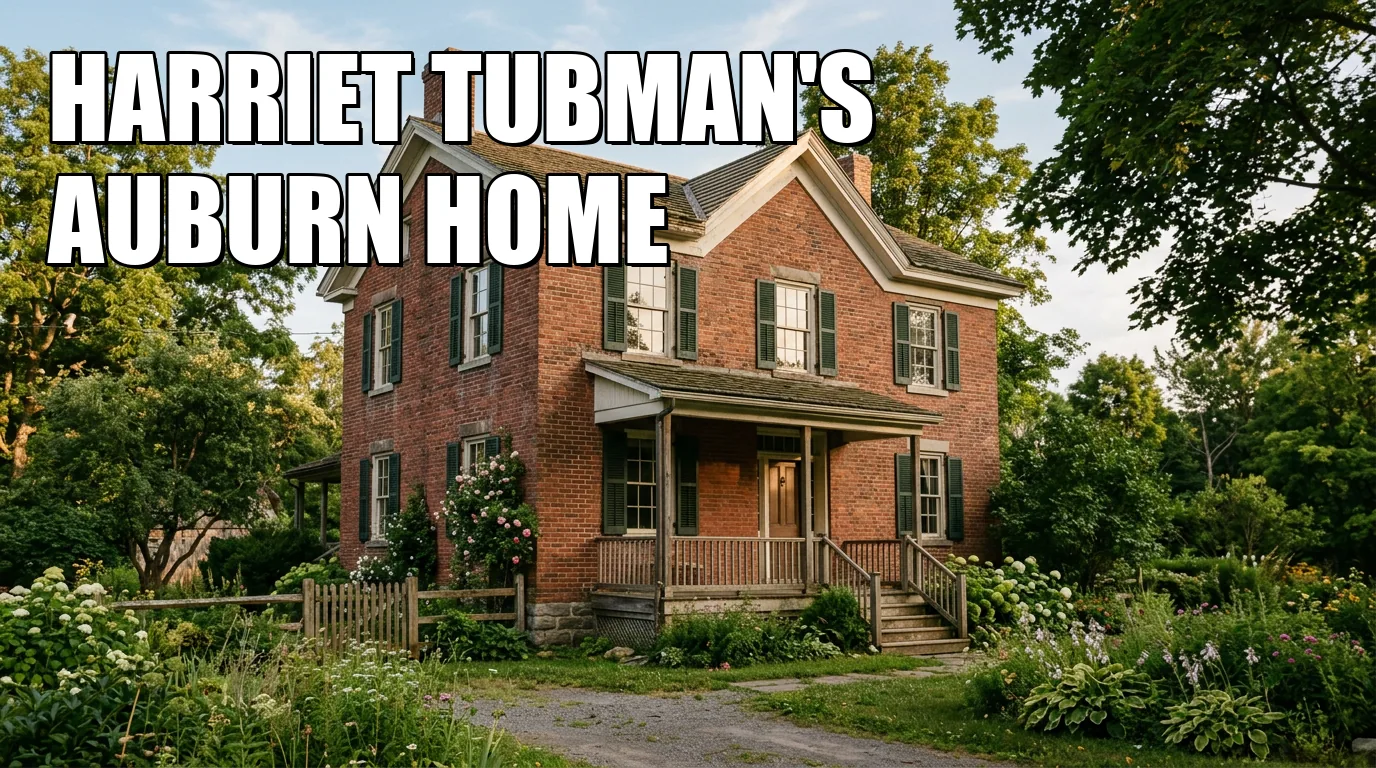
A place-first Harriet Tubman guide covering what survives in Auburn, how the site is framed for visitors, and why it matters as more than a symbolic stop.
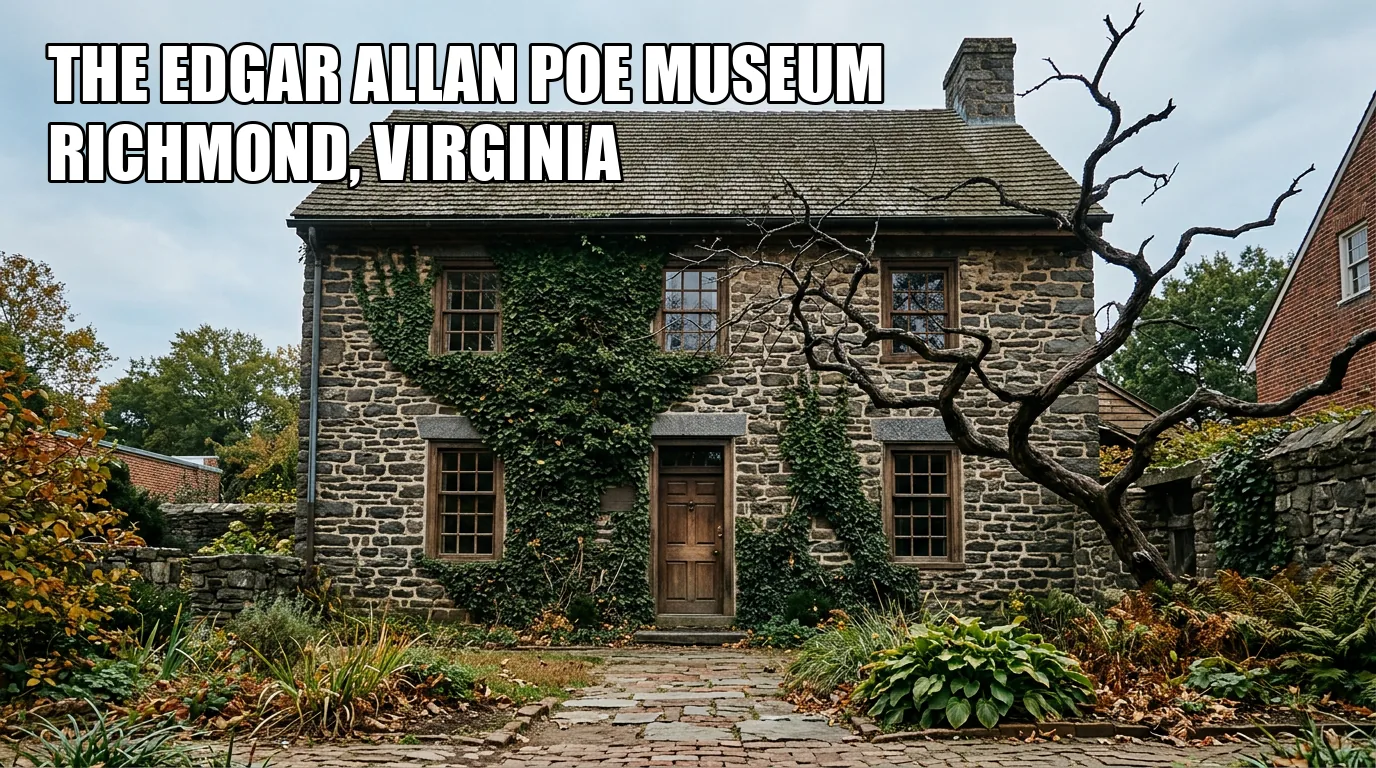
A place-first Poe Museum guide covering what the Richmond site actually shows, how it frames Poe, and why this city still matters in his story.
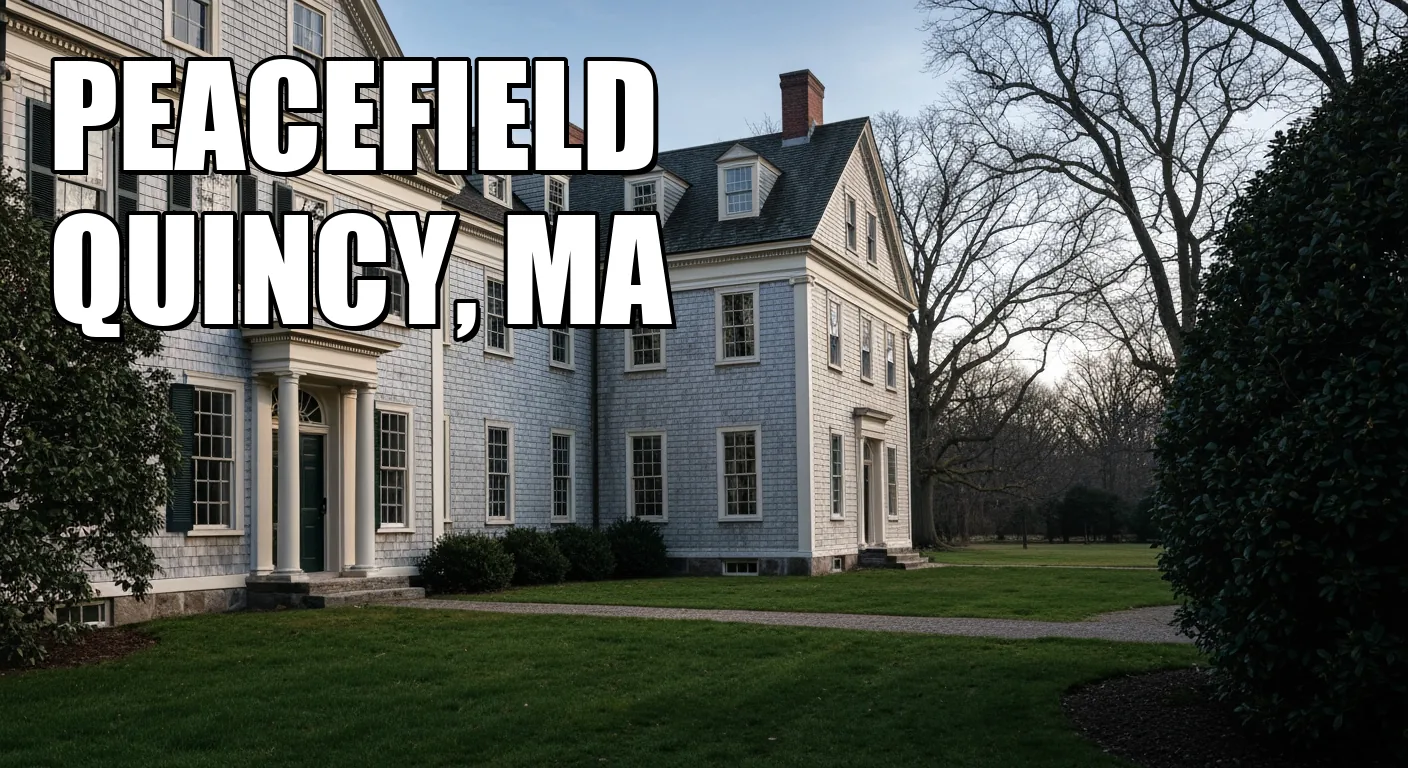
A place-first Peacefield guide covering what survives at the Adams house site and what the visit actually gives back beyond generic presidential-house expectations.
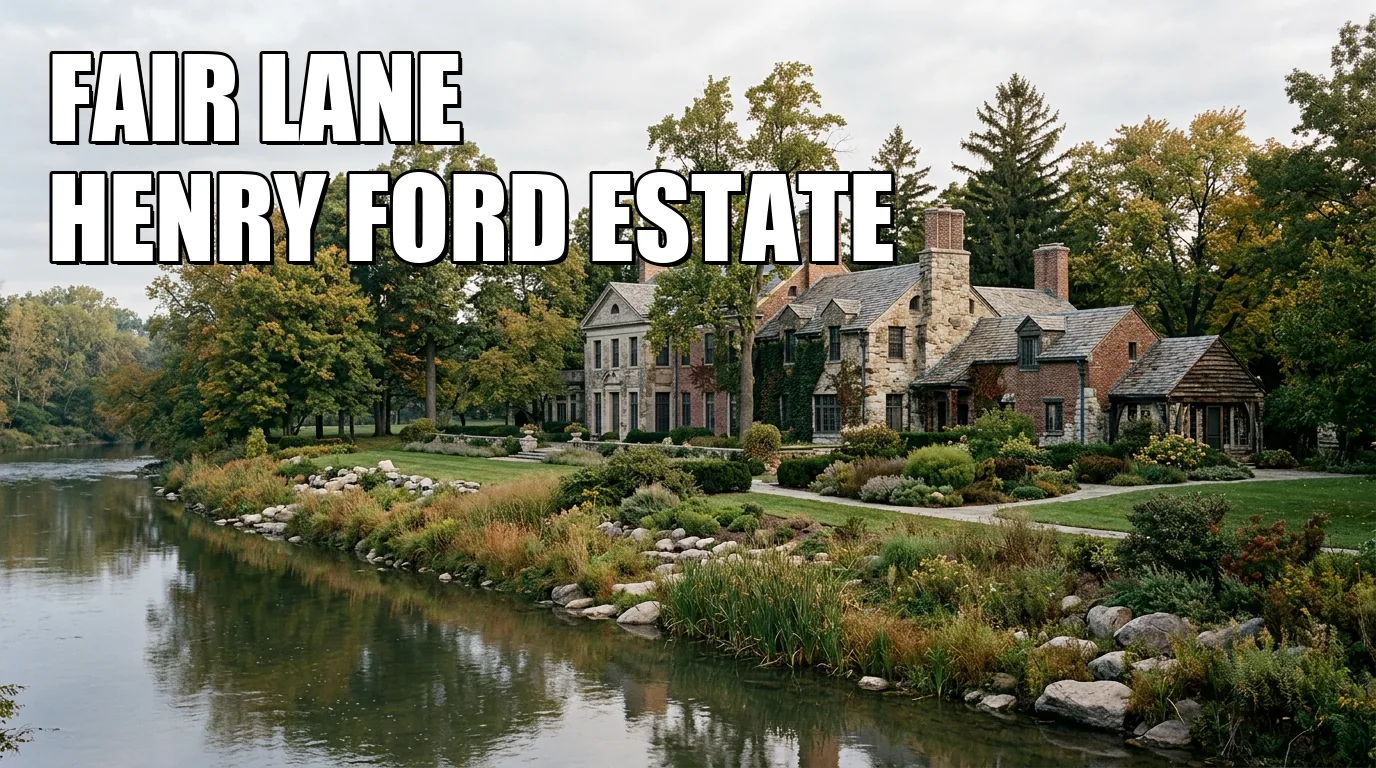
A place-first Fair Lane guide covering what survives at Henry Ford’s estate, how the grounds matter, and what visitors should expect from the Dearborn site.

Graceland is a tiered ticket decision, not just a house stop. Here is what each tour level changes, what the official prices look like, and how to choose the right Graceland experience.
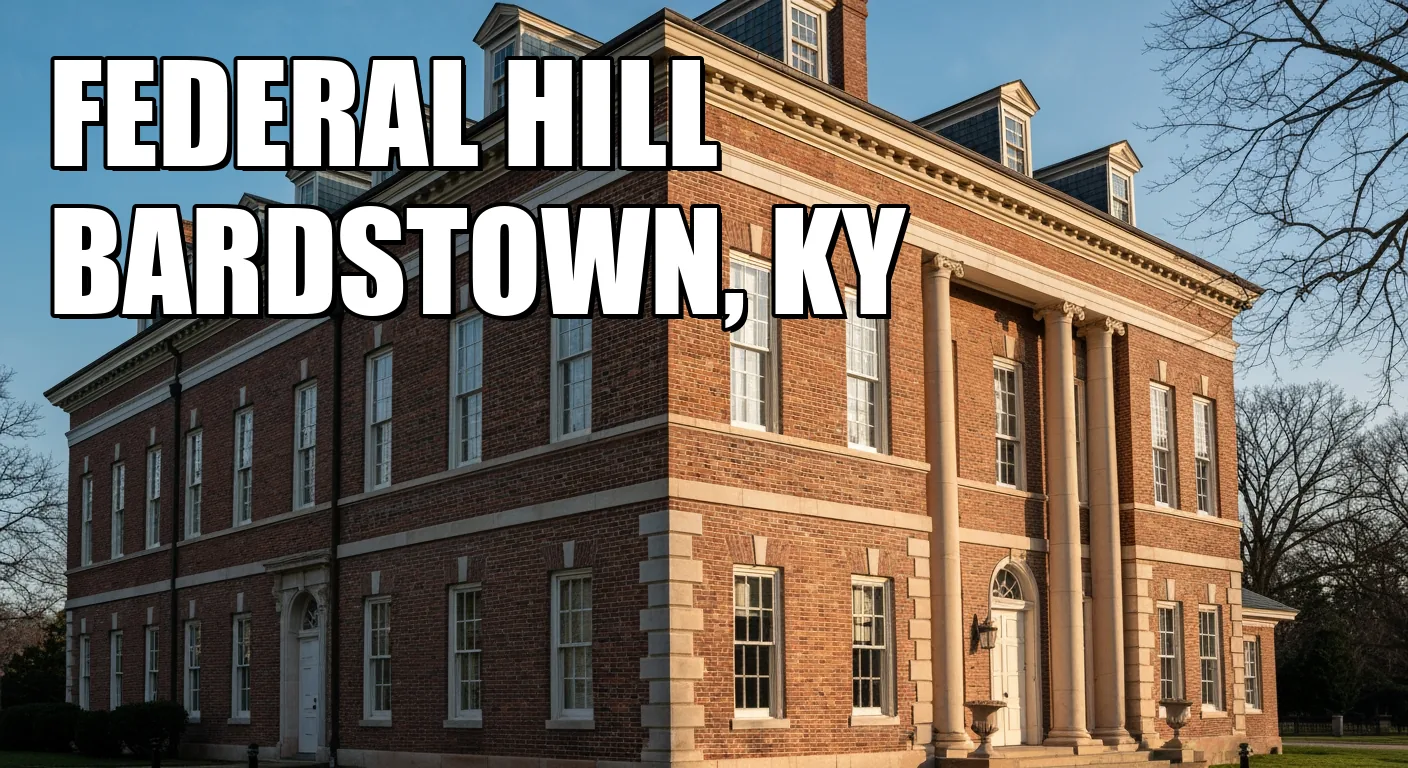
A place-first My Old Kentucky Home guide covering Federal Hill, the song association, and what the site actually covers beyond the familiar myth.
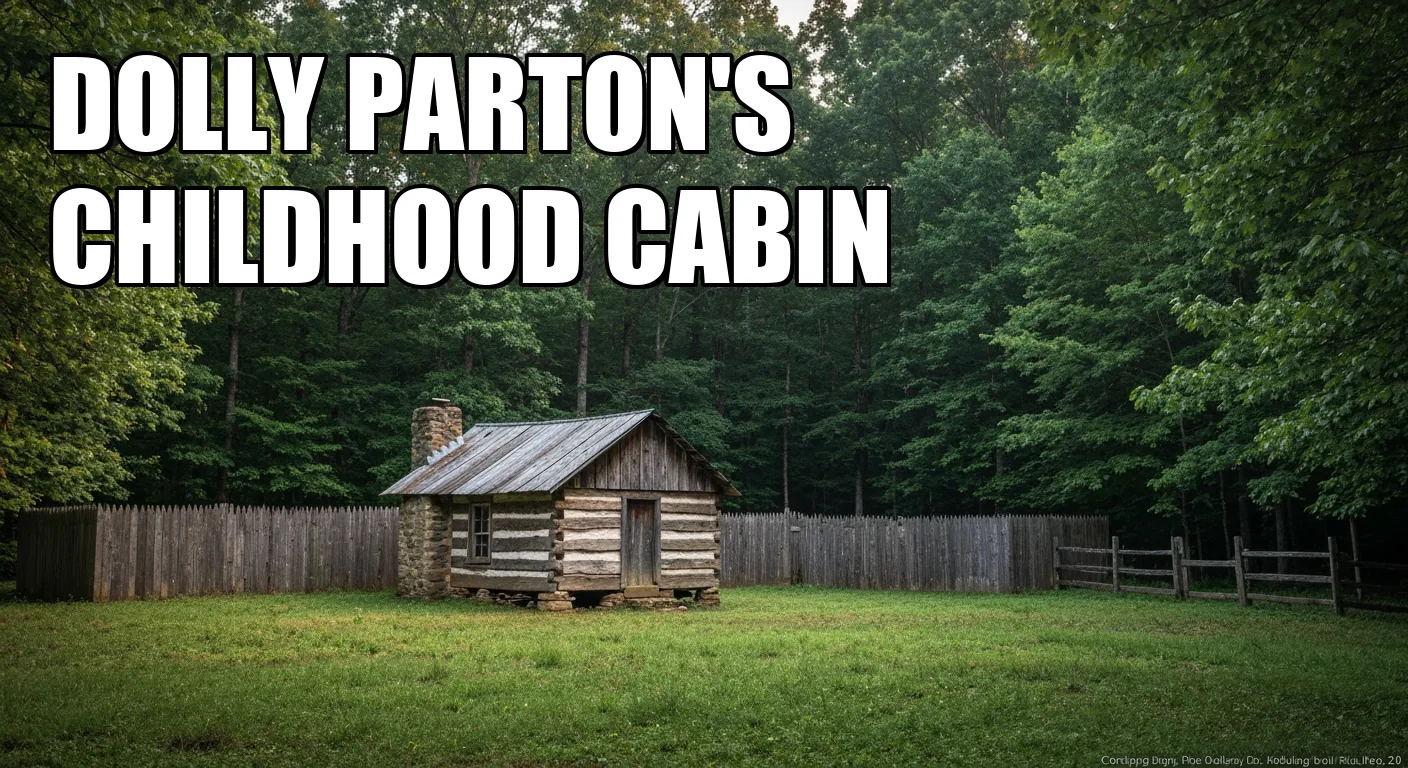
The Locust Ridge cabin still stands but is private. The birthplace is a different house. What is open: the family-built replica, downtown Sevierville's landmarks, and the family cemeteries.
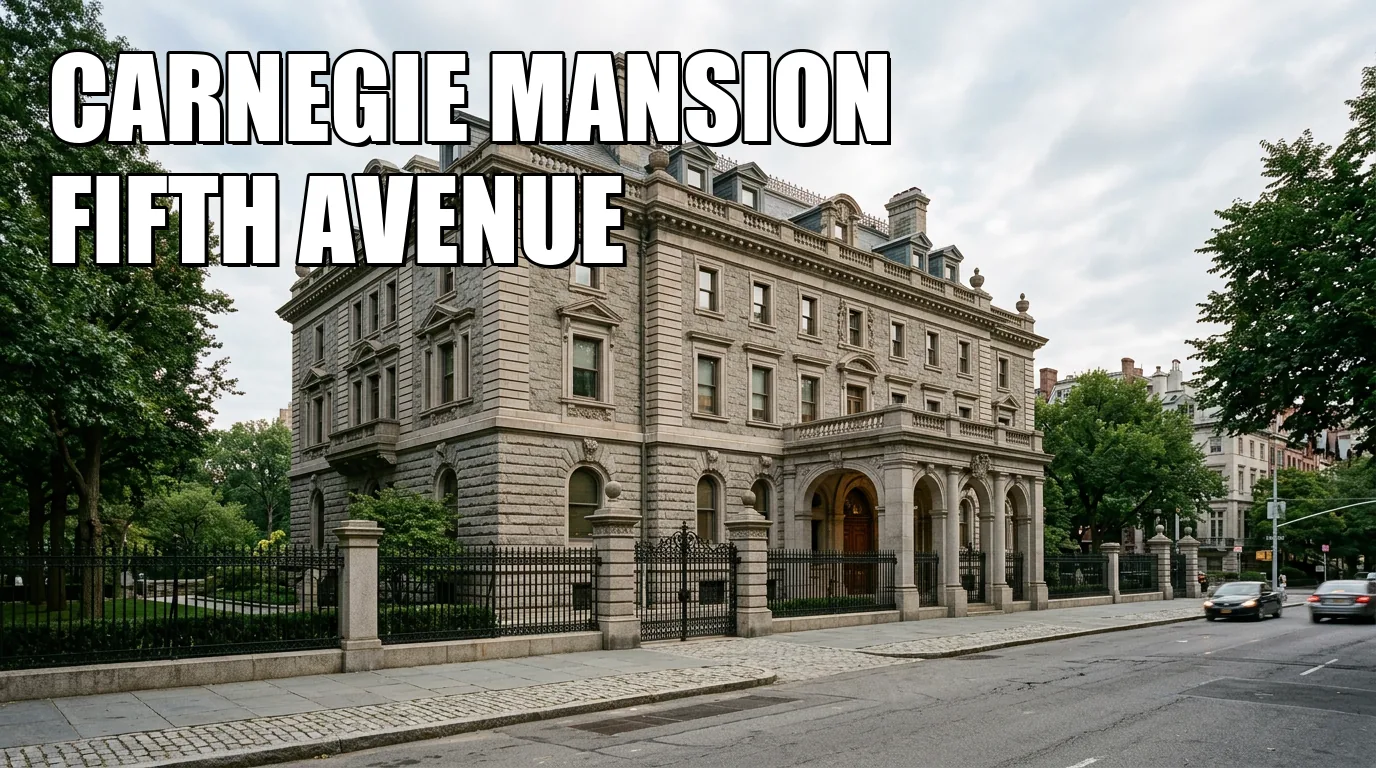
A place-first Carnegie guide covering what survives of the Fifth Avenue house and what the site still means in New York beyond the generic Gilded Age label.
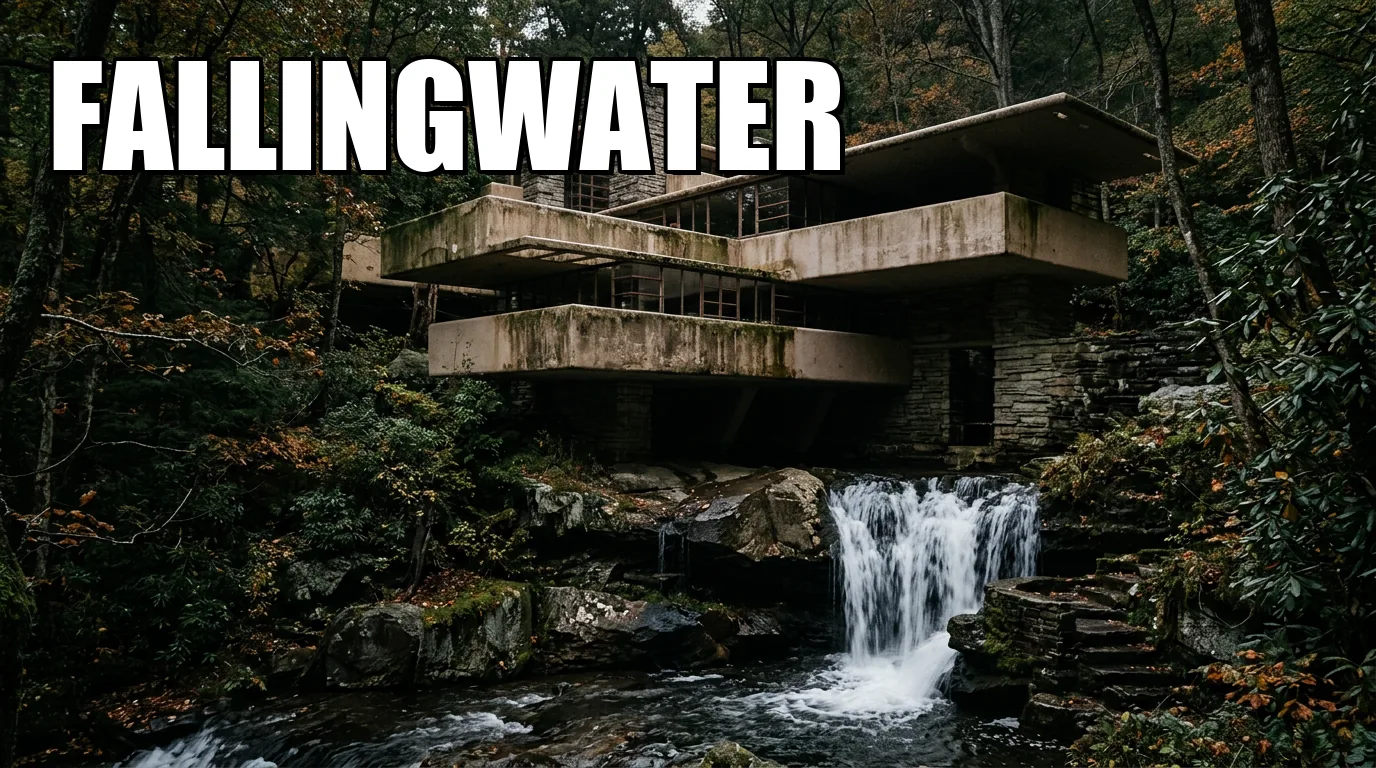
Fallingwater’s seven-inch sag was deliberately retained. The hidden 2002 retrofit and the completed 2026 waterproofing project solved different problems.